Table of Contents
Introduction
Growing vibrant hibiscus plants in your garden requires understanding their specific growing needs, particularly when it comes to soil composition and drainage. These stunning tropical and subtropical flowering plants are beloved for their large, colorful blooms and glossy foliage, but achieving optimal growth depends heavily on providing the right growing medium. Whether you’re cultivating hardy hibiscus varieties or tropical specimens, proper Hibiscus soil requirements form the foundation of successful cultivation. The quality and characteristics of your hibiscus soil directly impact root development, nutrient absorption, and overall plant health. Understanding these fundamental requirements will help you create the ideal growing environment for these magnificent flowering specimens, ensuring robust growth and abundant blooms throughout the growing season.
Step-by-Step Instructions
1. Assess Your Current Soil Composition
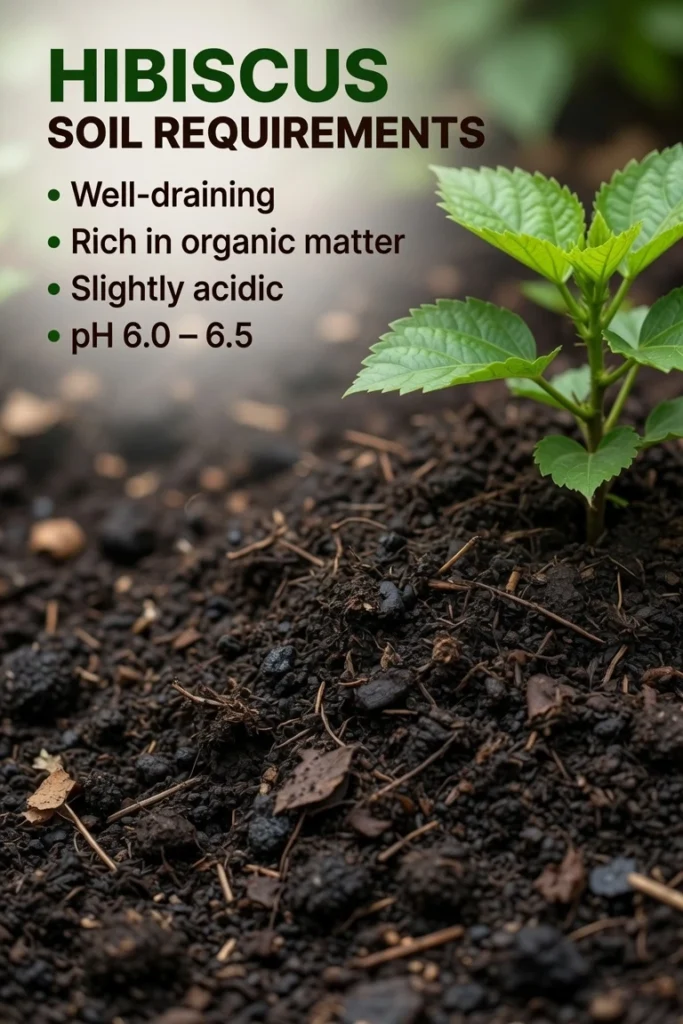
Begin by testing your existing garden soil using a pH meter or soil testing kit. Hibiscus plants thrive in slightly acidic to neutral soil with a pH range between 6.0 and 7.0. Take soil samples from multiple locations in your intended planting area, digging down approximately 6-8 inches to get an accurate representation of the growing medium your plants will encounter.
2. Evaluate Drainage Characteristics
Perform a simple percolation test by digging a hole 12 inches deep and 6 inches wide, filling it with water, and timing how long it takes to drain completely. Proper Hibiscus soil requirements include excellent drainage, as waterlogged conditions can lead to root rot and fungal diseases. The water should drain within 24 hours for optimal results.
3. Improve Soil Structure and Composition
Create the ideal hibiscus soil by incorporating organic amendments. Mix in 2-3 inches of compost, aged manure, or leaf mold into the existing soil to a depth of 18 inches. Add coarse sand or perlite if your soil retains too much moisture, ensuring the final mixture provides both nutrients and proper drainage.
4. Adjust pH Levels if Necessary
If your soil test reveals pH levels outside the optimal range, make appropriate adjustments. For acidic soils (below 6.0), incorporate agricultural lime according to package directions. For alkaline soils (above 7.0), add elemental sulfur or organic matter like pine needles to gradually lower the pH over time.
5. Create Raised Beds or Containers
Consider constructing raised beds 8-12 inches high filled with your improved soil mixture, especially if your native soil has drainage issues or extreme pH levels. For container growing, use a high-quality potting mix combined with additional organic matter and drainage materials like perlite or coarse sand.
6. Establish Proper Planting Depth and Spacing
When transplanting hibiscus, ensure the root ball sits at the same depth as it was in the nursery container. Backfill with your prepared soil mixture, water thoroughly, and apply a 2-3 inch layer of organic mulch around the base, keeping it several inches away from the stem.
Tips
Seasonal Soil Maintenance
Monitor soil moisture levels regularly, particularly during hot summer months when hibiscus plants require consistent hydration. Apply a balanced, slow-release fertilizer in early spring to support vigorous growth and abundant flowering throughout the season.
Organic Matter Enhancement
Refresh your soil annually by adding fresh compost or well-rotted manure around the base of established plants. This practice maintains soil fertility, improves structure, and supports beneficial microbial activity that enhances nutrient availability.
Mulching Strategies
Apply organic mulches such as shredded bark, wood chips, or straw to conserve moisture, regulate soil temperature, and suppress weed growth. Replace mulch as it decomposes to maintain consistent soil conditions.
Container Considerations
For potted hibiscus, refresh the growing medium every 2-3 years or when plants become root-bound. Choose containers with multiple drainage holes and use pot feet or saucers to prevent waterlogging during heavy rainfall.
Alternative Methods
Sandy Soil Amendments
If working with naturally sandy soil that drains too quickly, incorporate coconut coir, peat moss, or aged compost to improve water retention while maintaining good drainage. These amendments help sandy soils hold nutrients and moisture longer.
Clay Soil Modifications
Heavy clay soils require significant amendments to become suitable for hibiscus cultivation. Create raised beds or incorporate large amounts of organic matter, coarse sand, and perlite to break up compacted clay and improve drainage and aeration.
Hydroponic Growing
Advanced gardeners may consider hydroponic systems for year-round hibiscus cultivation, using nutrient-rich water solutions and growing media like expanded clay pellets or rockwool to support root development without traditional soil.
Companion Planting Benefits
Plant hibiscus alongside other acid-loving plants like azaleas, rhododendrons, or blueberries to create microclimates that naturally maintain optimal soil conditions through shared organic matter and similar care requirements.
Conclusion
Mastering the art of hibiscus cultivation begins with understanding and implementing proper soil preparation techniques that support healthy root development and vigorous plant growth. By following these comprehensive guidelines and paying attention to Hibiscus soil requirements, you’ll create the optimal foundation for these spectacular flowering plants to thrive in your garden or container displays. Remember that quality hibiscus soil serves as the cornerstone of successful cultivation, directly influencing bloom production, disease resistance, and overall plant longevity. With proper soil preparation, regular maintenance, and attention to drainage and pH requirements, your hibiscus plants will reward you with stunning displays of colorful flowers and lush foliage throughout the growing season. Take time to invest in soil quality initially, and you’ll enjoy years of beautiful hibiscus blooms that enhance your landscape with their tropical beauty and vibrant colors.