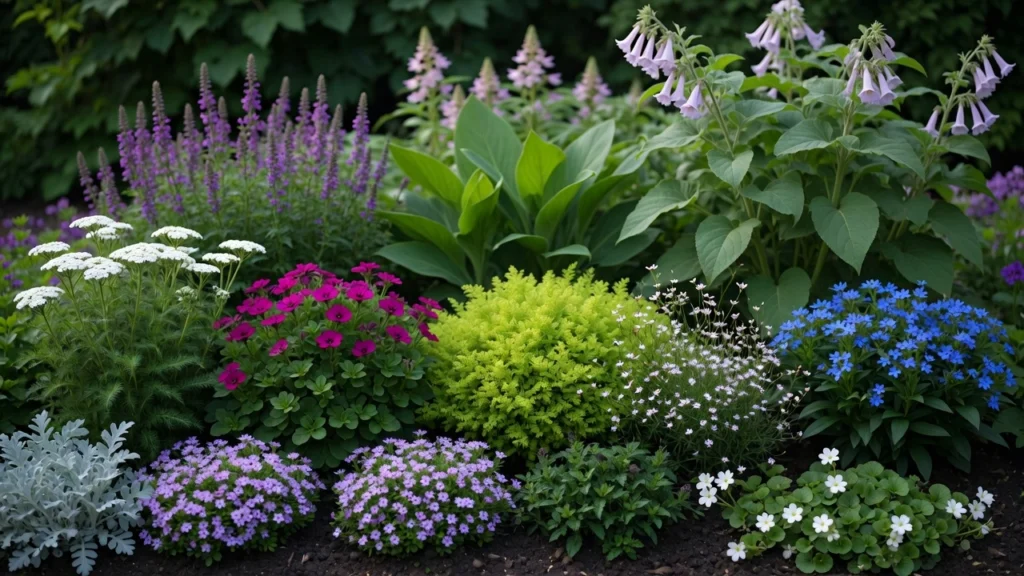
Gardens filled with stunning flowers and shrubs often get all the attention, but the secret to a truly beautiful landscape lies in the plants that connect everything together. If you’ve ever looked at your flower beds and felt that something was missing, filler plants may be the answer.
The best 12 beautiful filler plants add texture, color, and depth while softening harsh edges and filling empty spaces. Whether you’re designing a cottage garden, a formal landscape, or a pollinator paradise, these versatile plants can instantly transform your outdoor space.
Why Filler Plants Matter in Garden Design
Filler plants serve as the bridge between larger focal plants and ground covers. They help create a cohesive look by filling gaps, adding visual interest, and preventing flower beds from appearing sparse.
Benefits of filler plants include:
- Creating a fuller, more lush appearance
- Reducing visible bare soil
- Suppressing weeds naturally
- Adding seasonal color and texture
- Supporting pollinators and beneficial insects
- Enhancing the overall balance of garden beds
For additional inspiration, check out these expert recommendations for garden fillers and texture plants from Easy to Grow Bulbs.
1. Creeping Phlox
Creeping Phlox is one of the most popular filler plants thanks to its vibrant spring blooms and spreading habit.
Why Gardeners Love It
- Produces carpets of pink, purple, white, or blue flowers
- Excellent for borders and rock gardens
- Drought tolerant once established
- Attracts butterflies
Its cascading growth helps soften edges and fill spaces beautifully.
2. Sweet Alyssum
Sweet Alyssum offers delicate clusters of tiny flowers with a sweet fragrance.
Best Features
- Blooms continuously throughout the season
- Attracts pollinators
- Ideal for edging flower beds
- Available in white, purple, and pink varieties
This low-growing annual works exceptionally well around taller flowers.
3. Coral Bells (Heuchera)
Coral Bells provide colorful foliage that remains attractive even when flowers aren’t blooming.
Popular Benefits
- Available in burgundy, lime green, caramel, and purple shades
- Thrives in partial shade
- Adds year-round texture
- Low-maintenance perennial
Their unique leaf colors create striking contrasts in mixed borders.
4. Lamb’s Ear
Known for its soft, silvery foliage, Lamb’s Ear adds texture unlike almost any other garden plant.
Why It Works as a Filler
- Velvety leaves create visual interest
- Drought resistant
- Excellent border plant
- Complements colorful blooms
The silvery foliage acts as a neutral backdrop for brighter flowers.
5. Catmint (Nepeta)
Catmint is a reliable perennial that produces long-lasting lavender-blue flowers.
Advantages
- Extended bloom period
- Deer resistant
- Pollinator-friendly
- Easy to grow
Its airy growth habit softens garden edges and fills empty areas effortlessly.
6. Dusty Miller
Dusty Miller’s silver-gray foliage makes it a favorite among landscape designers.
Key Benefits
- Provides contrast to colorful flowers
- Heat tolerant
- Drought resistant
- Suitable for containers and beds
This plant helps unify different colors within a planting scheme.
7. Dianthus
Dianthus offers colorful blooms and a pleasant fragrance.
Why It’s a Great Filler
- Compact growth habit
- Long blooming season
- Attracts butterflies
- Available in many colors
Its neat appearance makes it ideal for formal and cottage gardens alike.
8. Creeping Jenny
Creeping Jenny is a fast-growing ground-hugging plant that quickly fills empty spaces.
Best Uses
- Garden borders
- Containers
- Hanging baskets
- Around stepping stones
Its bright chartreuse foliage provides year-round color in many climates.
9. Russian Sage
Russian Sage adds height, texture, and movement to flower beds.
Highlights
- Silvery foliage
- Lavender-blue flowers
- Drought tolerant
- Attracts pollinators
Its airy structure pairs beautifully with roses and ornamental grasses.
10. Sedum
Sedum is an incredibly versatile filler plant that thrives in difficult conditions.
Benefits
- Extremely low maintenance
- Drought resistant
- Attractive succulent foliage
- Late-season blooms
Sedum works especially well in rock gardens and sunny borders.
11. Coreopsis
Coreopsis delivers cheerful yellow blooms throughout the growing season.
Why Gardeners Choose It
- Long flowering period
- Easy care
- Pollinator magnet
- Brightens flower beds
Its abundant flowers help tie together mixed perennial plantings.
12. Ornamental Grasses
Ornamental grasses add movement, texture, and elegance to any landscape.
Top Advantages
- Year-round interest
- Low maintenance
- Excellent filler between shrubs and flowers
- Available in many heights and colors
Varieties like Fountain Grass and Blue Fescue work especially well as fillers.
How to Choose the Right Filler Plants
Not all filler plants are suitable for every garden. Consider the following factors before planting:
Sunlight Requirements
Choose plants that match your garden’s light conditions:
- Full Sun: Sedum, Russian Sage, Dianthus
- Partial Shade: Coral Bells, Creeping Jenny
- Full Shade: Certain Heuchera varieties
Soil Conditions
Different plants prefer different soil types.
- Well-drained soil: Creeping Phlox, Sedum
- Moist soil: Creeping Jenny
- Average garden soil: Catmint, Coreopsis
Bloom Time
Select plants with staggered bloom periods to ensure color throughout the growing season.
Common Mistakes When Using Filler Plants
Planting Too Closely
Many filler plants spread over time. Always follow spacing recommendations to avoid overcrowding.
Ignoring Mature Size
A small nursery plant can grow significantly larger after a few seasons.
Overusing One Variety
Mixing textures, colors, and heights creates a more natural and visually appealing design.
Seasonal Care Tips for Filler Plants
To keep your filler plants looking their best:
- Water regularly during establishment
- Apply mulch to retain moisture
- Deadhead spent blooms when appropriate
- Divide overcrowded perennials every few years
- Remove damaged foliage in spring
Proper maintenance encourages healthier growth and longer blooming periods.
Creating a Balanced Flower Bed with Filler Plants
A successful flower bed typically includes:
- Thriller plants (tall focal points)
- Filler plants (mid-sized connectors)
- Spiller plants (trailing edge plants)
This design approach creates depth, movement, and visual harmony throughout the garden.
If you’re looking for another plant that can brighten your home and garden throughout the year, explore our guide on Christmas Cactus Blooming for additional growing inspiration.
Frequently Asked Questions
What are filler plants?
Filler plants are mid-sized plants used to fill gaps between larger focal plants and lower-growing ground covers, creating a fuller and more cohesive garden design.
Are filler plants perennials?
Some filler plants are perennials, such as Coral Bells, Catmint, and Sedum, while others like Sweet Alyssum are often grown as annuals.
Which filler plants bloom the longest?
Catmint, Coreopsis, Sweet Alyssum, and Dianthus are known for their extended blooming periods.
What filler plants are best for sunny gardens?
Russian Sage, Sedum, Dianthus, Catmint, and Creeping Phlox perform exceptionally well in full sun.
Final Thoughts
The right filler plants can completely change the look and feel of your garden. These 12 beautiful filler plants provide the texture, color, and structure needed to create lush, professional-looking flower beds. Whether you’re filling empty spaces, attracting pollinators, or simply enhancing your landscape design, these versatile plants offer beauty and functionality throughout the growing season.
Start with a few favorites, experiment with combinations, and watch your garden become fuller, softer, and more visually stunning than ever before.