Table of Contents
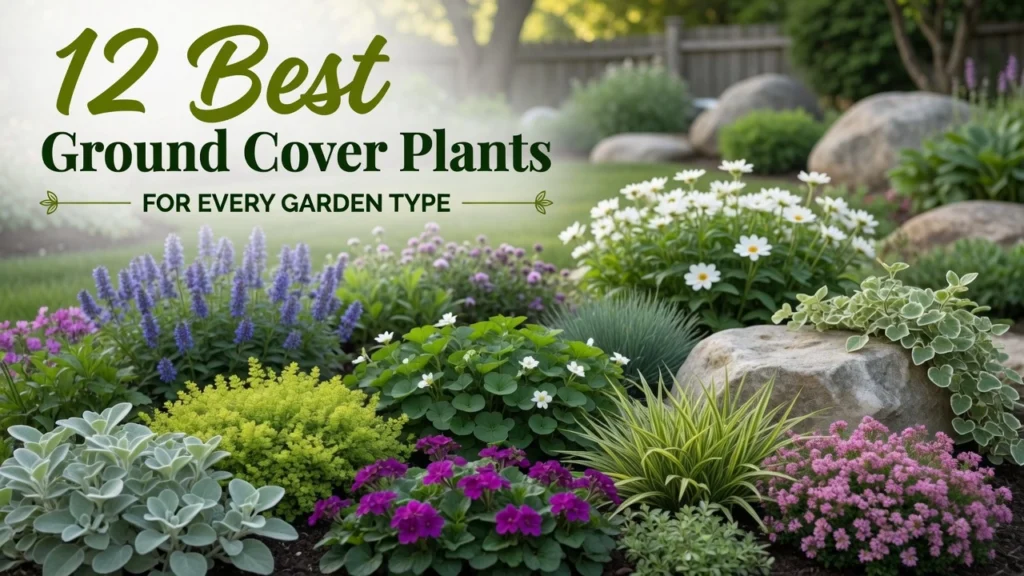
Every gardener faces the same universal challenge: those bare patches of soil that seem to mock your best landscaping efforts. Whether it’s the stubborn slope that refuses to hold plantings, the shady corner where grass won’t grow, or that awkward space between larger plants that always looks unfinished, finding the right solution can feel overwhelming. After fifteen years of wrestling with these exact problems in my own garden—and making plenty of mistakes along the way—I’ve discovered that selecting the Best Ground Covers isn’t just about filling space. It’s about creating living carpets that suppress weeds, prevent erosion, conserve moisture, and add layers of texture and color that elevate your entire landscape design. The key lies in understanding that not all ground covers are created equal, and the difference between success and frustration often comes down to matching the right plant to your specific growing conditions and long-term garden goals. When you need quick results, exploring options for fast-growing ground cover can provide the rapid establishment that transforms problem areas into garden assets within a single growing season.
Understanding the True Purpose of Ground Cover Plants
Ground covers serve far more complex functions than simply filling empty spaces, though many gardeners initially approach them with this limited perspective. These hardworking plants act as living mulch, forming dense mats that naturally suppress weed germination by blocking sunlight from reaching the soil surface. This biological weed control saves countless hours that would otherwise be spent pulling unwanted plants, while simultaneously creating more attractive and cohesive garden beds.
The soil protection benefits extend well beyond weed suppression. Ground covers prevent erosion on slopes where rainfall might otherwise wash away precious topsoil, their extensive root systems binding the earth together in ways that traditional mulch simply cannot match. In my own hillside garden, I learned this lesson the hard way after watching a spring thunderstorm carry away an expensive load of bark mulch from an unplanted slope. The following season, I established a combination of creeping phlox and wild ginger in the same area, and subsequent storms left the soil completely intact.
Moisture conservation represents another crucial function that becomes particularly valuable during dry spells. The dense foliage of established ground covers creates a microclimate that reduces evaporation from the soil surface, while their root systems help improve soil structure and water infiltration. This natural irrigation efficiency means less frequent watering and healthier plants throughout your garden ecosystem.
The Aesthetic Transformation Factor
Beyond their practical benefits, ground covers provide the textural foundation that distinguishes amateur gardens from professionally designed landscapes. They create visual flow between larger plantings, soften harsh edges around hardscaping, and add seasonal interest through flowers, foliage changes, and varied growth habits. The carpet-like effect of a well-chosen ground cover can make small spaces appear larger while providing the backdrop that allows specimen plants to truly shine.
Consider the difference between a garden bed with exposed mulch between scattered shrubs versus one where flowing drifts of ground cover plants weave everything together. The latter creates a sense of intentional design and natural abundance that immediately elevates the entire space. This transformation becomes even more pronounced when you layer different ground covers with complementary colors, textures, and bloom times, creating sophisticated combinations that provide interest throughout the growing season.
Evaluating Your Site Conditions for Optimal Plant Selection
Successful ground cover establishment begins with honest assessment of your specific growing conditions, yet this critical step gets rushed more often than any other aspect of the selection process. Light levels, soil drainage, pH, existing vegetation, foot traffic patterns, and maintenance expectations all play crucial roles in determining which plants will thrive versus merely survive in your landscape.
Sunlight exposure requires particularly careful evaluation because it changes throughout the day and across seasons as trees leaf out or lose their foliage. What appears to be full sun in early spring might become deep shade by midsummer, fundamentally altering the growing environment. I’ve observed many gardeners select plants based on conditions during their initial site visit, only to discover months later that their chosen species struggles with the dramatically different light levels that emerge as the garden fully awakens.
Soil drainage assessment proves equally critical but often gets overlooked until problems develop. Ground covers that prefer well-draining conditions will rot in heavy clay soils that stay soggy after rainfall, while drought-tolerant species may struggle to establish in areas with consistent moisture. The simple technique of digging a hole and observing how quickly water drains after a heavy rain provides invaluable information that guides species selection far more accurately than general soil type descriptions.
Traffic Tolerance and Maintenance Expectations
Realistic assessment of foot traffic becomes particularly important for ground covers in active areas of the landscape. Some species tolerate occasional footsteps while others create impenetrable barriers that redirect foot traffic entirely. Creeping thyme and moss phlox can handle light foot traffic and even benefit from occasional compression, while delicate species like wild ginger require protection from any disturbance.
Maintenance expectations deserve equal consideration during the planning phase. Aggressive spreaders might be perfect for large naturalized areas but can become problematic in formal beds where they might overwhelm neighboring plants. Conversely, slow-growing species that stay perfectly in bounds might frustrate gardeners hoping for quick coverage of problem areas. Understanding these growth characteristics prevents future disappointment and ensures your ground cover choice aligns with both your aesthetic goals and available maintenance time.
Exploring High-Performance Ground Cover Categories
The world of ground cover plants encompasses incredible diversity, from tiny creeping species that form tight mats just inches high to more substantial plants that create layered coverage up to two feet tall. Understanding these categories helps narrow your options and ensures you select plants that match both your site conditions and design intentions.
Creeping and mat-forming ground covers represent the classic category that most gardeners envision when considering these plants. Species like creeping jenny, ajuga, and pachysandra spread through runners or underground rhizomes, gradually filling available space with dense coverage. These plants excel at weed suppression and provide the uniform appearance that works beautifully in formal landscapes or areas where consistent coverage is the primary goal.
Clumping ground covers take a different approach, forming individual colonies that gradually expand but maintain distinct boundaries. Hostas, coral bells, and many ferns fall into this category, offering the opportunity to create more varied textures and patterns while still providing effective soil coverage. These plants work particularly well in mixed borders where you want ground-level interest without the aggressive spreading that might overwhelm other plantings.
Seasonal Interest and Multi-Function Species
The most valuable ground covers provide multiple seasons of interest rather than serving a single purpose. Spring-blooming species like creeping phlox create spectacular floral displays before transitioning to attractive foliage for the remainder of the growing season. Fall-coloring species like wild ginger or certain sedums extend the period of active beauty well beyond their primary growing season.
Multi-functional ground covers that provide habitat for beneficial insects, produce edible portions, or offer fragrance when brushed against maximize the value derived from every square foot of garden space. Wild strawberries attract pollinators with their spring blooms, provide modest fruit harvests, and create attractive ground coverage throughout the growing season. Creeping herbs like thyme or oregano serve similar multi-purpose roles while adding practical culinary value to your landscape investment.
Strategic Planting Techniques for Establishment Success
Proper installation techniques make the difference between ground covers that establish quickly and thrive versus those that struggle for years or ultimately fail. The preparation phase requires more attention than most gardeners initially realize, but the investment in proper soil preparation and initial plant spacing pays dividends in both establishment speed and long-term performance.
Soil preparation should begin with thorough weed removal, particularly targeting perennial weeds that might compete with young ground cover plants during their vulnerable establishment period. Mechanical cultivation followed by a waiting period to allow remaining weed seeds to germinate and then be eliminated creates a clean planting environment. Many gardeners skip this step and later find themselves engaged in ongoing battles between their chosen ground covers and established weed populations.
Spacing decisions require balancing patience with budget considerations. Closer spacing provides faster coverage but requires more plants and higher initial investment. Wider spacing reduces initial costs but extends the time required for full coverage, potentially allowing weeds to establish in the gaps. The optimal approach often involves compromise spacing combined with temporary measures like organic mulch to suppress weeds during the establishment period.
Watering and Early Care Strategies
Establishment watering requires more finesse than many gardeners realize, particularly for species that will ultimately tolerate drought conditions once established. Newly planted ground covers need consistent moisture to develop extensive root systems, but overwatering can promote root rot or encourage shallow root development that leaves plants vulnerable to future drought stress.
The transition from establishment watering to mature plant care represents a critical phase that determines long-term success. Gradually reducing watering frequency while monitoring plant response encourages deep root development and builds the resilience that allows ground covers to fulfill their low-maintenance promise. This weaning process typically takes one to two full growing seasons, depending on species selection and local growing conditions.
Practical Tips for Long-Term Ground Cover Success
Maintaining established ground covers involves understanding their growth patterns and responding to changing conditions over time. Even low-maintenance species benefit from periodic attention, and recognizing the signs that indicate intervention is needed prevents small problems from becoming major renovation projects.
Edge management becomes increasingly important as ground covers mature and begin expanding beyond their intended boundaries. Regular edging maintains clean lines between different plantings and prevents aggressive species from overwhelming less vigorous neighbors. The timing of this maintenance varies by species, but most benefit from annual boundary management during their dormant season.
Fertility needs for ground covers differ significantly from those of annual flowers or vegetable crops. Most established ground covers perform best with minimal fertilization, as excessive nutrients can promote overly lush growth that becomes susceptible to disease or reduces flowering. Organic matter incorporation through light applications of compost provides gentle, slow-release nutrition that supports healthy growth without encouraging problems.
Renovation techniques become necessary when ground covers become too dense, develop bare spots, or simply need refreshing after several years of growth. Division and replanting of overgrown sections can restore vigor while providing plants for expanding coverage to new areas. Understanding when and how to perform these maintenance tasks keeps ground cover plantings looking their best throughout their productive lifespan.
Alternative Approaches and Creative Applications
Traditional ground cover applications represent just the beginning of creative possibilities for these versatile plants. Mixed ground cover plantings that combine species with different heights, textures, and bloom times create sophisticated tapestries that provide far more visual interest than single-species installations. Layering early spring bulbs beneath deciduous ground covers extends the season of interest while maximizing use of available space.
Vertical applications of ground covers offer solutions for challenging sites like retaining walls, steep slopes, or areas where traditional planting methods prove difficult. Trailing species that cascade over walls or spread down slopes can transform problematic areas into garden features while providing erosion control and visual softening of harsh structural elements.
Living mulch concepts take ground cover applications beyond traditional ornamental uses into productive garden areas. Low-growing species planted between vegetable rows or around fruit trees provide weed suppression and moisture conservation while supporting beneficial insects and improving soil biology. These applications require careful species selection to ensure the ground covers support rather than compete with food production goals.
Seasonal Management and Adaptation Strategies
Understanding how ground covers respond to seasonal changes allows gardeners to work with natural growth patterns rather than against them. Spring emergence patterns vary significantly between species, with some ground covers providing the earliest signs of garden awakening while others remain dormant until soil temperatures rise substantially.
Fall preparation for winter dormancy requires species-specific approaches that support plant health through cold weather stress. Some ground covers benefit from leaving seed heads or dried foliage intact for winter protection, while others perform better with fall cleanup that removes potential disease harboring debris. Understanding these preferences prevents well-intentioned maintenance from inadvertently damaging plant health.
Winter protection needs vary dramatically based on both plant selection and local climate conditions. Newly established plantings typically require more protection than mature colonies, but even established ground covers may benefit from protective measures during unusually severe weather. Recognizing the signs of winter damage and understanding appropriate response measures helps maintain ground cover plantings through challenging conditions.
Conclusion: Creating Your Ground Cover Success Story
The journey from bare soil to beautiful, functional ground cover represents one of the most satisfying transformations available to home gardeners. Success depends on matching plant selection to site conditions, providing appropriate establishment care, and understanding the long-term growth characteristics of your chosen species. When you take the time to properly evaluate your needs and select from among the Best Ground Covers for your specific situation, the results extend far beyond simple soil coverage to create living landscapes that provide years of beauty and functionality.
The investment in quality ground cover plantings pays dividends that compound over time through reduced maintenance, improved soil health, enhanced wildlife habitat, and the aesthetic foundation that allows other garden elements to shine. Whether you need immediate impact from fast-growing ground cover options or prefer the steady establishment of slower species that provide decades of service, the key lies in understanding your site, your goals, and the growth characteristics of your chosen plants. With proper selection and establishment techniques, ground covers transform from simple space-fillers into integral components of thriving garden ecosystems that provide beauty, function, and satisfaction for years to come. The bare patches that once frustrated your gardening efforts become opportunities to create something far more valuable than you initially imagined possible.