Table of Contents
Introduction
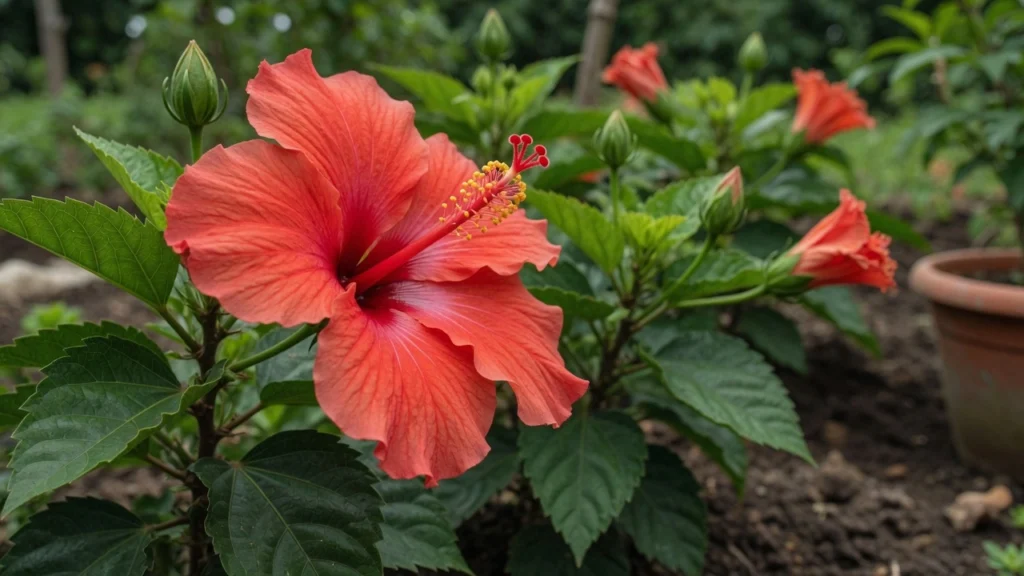
The vibrant, trumpet-shaped blooms of hibiscus plants have captivated gardeners for centuries, transforming ordinary spaces into tropical paradises. Whether you’re nurturing a hardy outdoor variety or tending to a delicate indoor specimen, understanding proper Hibiscus plant care is essential for achieving those stunning, colorful displays. These magnificent flowering shrubs require specific attention to watering, lighting, and seasonal adjustments to reach their full potential. By implementing effective Hibiscus care tips, you’ll unlock the secret to maintaining healthy plants that produce an abundance of spectacular blooms throughout their growing season. This comprehensive guide will walk you through every aspect of hibiscus cultivation, from basic daily maintenance to advanced troubleshooting techniques.
Step-by-Step Instructions
1. Selecting the Perfect Location
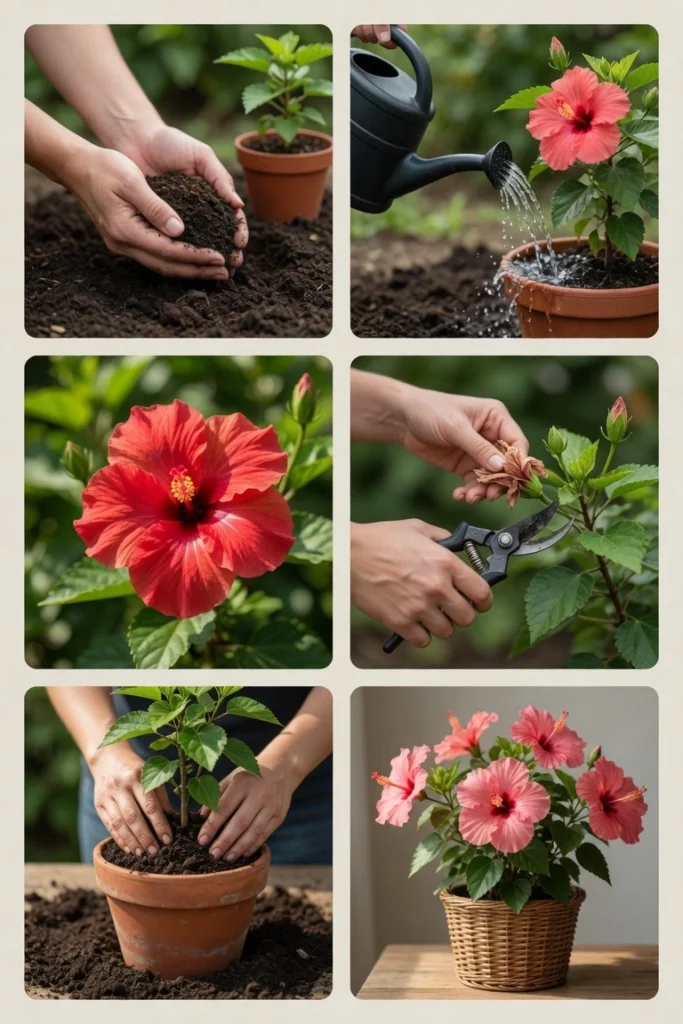
Choose a spot that receives 6-8 hours of direct sunlight daily for optimal flowering. Hibiscus plants thrive in warm, humid environments with temperatures between 65-85°F. Ensure adequate air circulation while protecting from harsh winds that can damage delicate blooms.
2. Soil Preparation and Drainage
Create well-draining, slightly acidic soil with a pH between 6.0-6.8. Mix equal parts potting soil, peat moss, and perlite for containers. Garden plantings benefit from organic compost amendments that improve drainage while retaining moisture.
3. Watering Schedule and Technique
Water deeply when the top inch of soil feels dry, typically every 2-3 days during growing season. Pour water slowly at the base, avoiding wet foliage that encourages fungal diseases. Reduce watering frequency during winter dormancy periods.
4. Fertilization Program
Apply balanced liquid fertilizer (10-10-10) every 2-3 weeks during spring and summer. Supplement with phosphorus-rich fertilizer monthly to promote abundant blooming. Cease fertilization in fall to prepare plants for winter rest.
5. Pruning and Deadheading
Remove spent flowers daily to encourage continuous blooming and prevent seed formation. Prune in late winter or early spring, cutting back one-third of the plant’s height. Shape the plant by removing weak, crossing, or damaged branches throughout the growing season.
Mastering Hibiscus plant care requires consistent attention to these fundamental steps, while incorporating proven Hibiscus care tips ensures your plants develop strong root systems and produce magnificent displays of colorful blooms year after year.
Tips
Humidity Enhancement Techniques
Create a humid microclimate by placing pebble trays filled with water beneath container plants. Group multiple tropical plants together to increase ambient moisture levels naturally. Mist leaves lightly in early morning, allowing foliage to dry before evening.
Pest Management Strategies
Monitor regularly for aphids, spider mites, and whiteflies that commonly affect hibiscus plants. Use insecticidal soap spray as a first line of defense against soft-bodied insects. Introduce beneficial insects like ladybugs to maintain natural pest control balance.
Winter Protection Methods
Move container plants indoors when temperatures drop below 50°F, placing them near south-facing windows. Reduce watering frequency and discontinue fertilization during dormancy. Protect outdoor plants with frost cloth or mulch around the base.
Bloom Optimization Secrets
Ensure consistent moisture levels without waterlogged conditions to maximize flower production. Apply Epsom salt solution monthly during growing season to provide essential magnesium for vibrant blooms. Maintain steady feeding schedule rather than sporadic heavy fertilization.
For Blooming, we have also other best plant Christmas Cactus Bloom
Container Growing Advantages
Select pots with drainage holes and use high-quality potting mix for better root development. Repot annually or when roots become bound, typically in early spring. Choose containers 2-3 inches larger than previous pots to prevent transplant shock.
Alternative Methods
Hydroponic Cultivation
Growing hibiscus in soilless systems offers precise nutrient control and accelerated growth rates. Use balanced hydroponic nutrients with EC levels between 1.2-1.8 for optimal results. Maintain pH levels between 5.5-6.5 and provide strong lighting for indoor setups.
Organic Growing Approach
Develop natural fertility using compost tea applications every two weeks during active growth periods. Create homemade insect deterrents using neem oil, garlic, and soap solutions. Build soil health with mycorrhizal fungi inoculants that enhance root nutrient uptake.
Companion Planting Strategy
Pair hibiscus with complementary plants like marigolds that deter harmful insects naturally. Plant alongside other heat-loving species such as lantana, pentas, and ixora for cohesive tropical landscapes. Use groundcovers like sweet potato vine to retain soil moisture and suppress weeds.
Propagation Techniques
Start new plants from 6-inch softwood cuttings taken during active growing season. Dip cutting ends in rooting hormone and plant in well-draining propagation medium. Maintain consistent moisture and warmth until new root systems develop after 4-6 weeks.
Seasonal Rotation Method
Rotate container plants between indoor and outdoor locations based on seasonal temperature changes. Gradually acclimate plants to new environments over 7-10 days to prevent shock. This method extends growing seasons and protects valuable specimens from weather extremes.
Conclusion
Successfully cultivating these tropical beauties requires dedication, patience, and a thorough understanding of their unique growing requirements. By following the comprehensive guidelines outlined above and consistently applying proven Hibiscus plant care principles, you’ll be rewarded with healthy, vigorous plants that produce stunning blooms throughout their growing season. Remember that implementing reliable Hibiscus care tips is an ongoing process that adapts to seasonal changes and individual plant needs. Whether you choose traditional soil cultivation, explore hydroponic systems, or embrace organic growing methods, the key to success lies in maintaining consistent care routines and responding promptly to your plants’ changing requirements. With proper attention to watering, fertilization, pruning, and environmental conditions, your hibiscus plants will transform your garden space into a vibrant tropical oasis that brings joy and natural beauty to your daily life for many seasons to come.