Table of Contents
Introduction
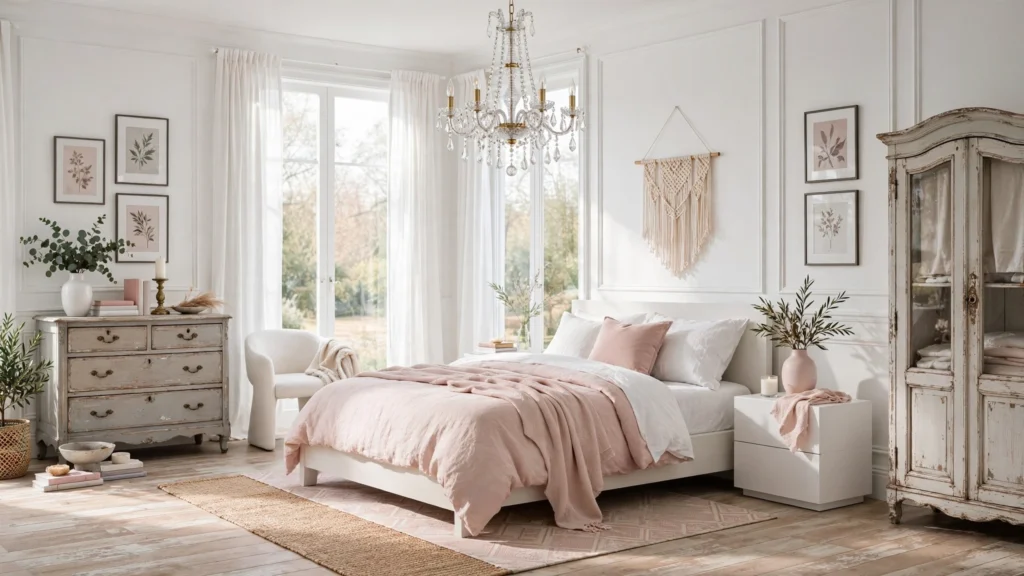
Picture this: you walk into a bedroom where soft morning light filters through delicate lace curtains, illuminating weathered vintage furniture painted in the softest cream and dusty rose. A wrought iron bed frame holds layers of rumpled linen in muted pastels, while mason jars filled with fresh peonies sit atop a distressed wooden nightstand. This isn’t just any bedroom—it’s a shabby chic bedroom that embraces the beauty of imperfection and celebrates the gentle elegance of bygone eras.
The magic of shabby chic design lies in its ability to create spaces that feel both lived-in and luxurious, where every carefully chosen imperfection tells a story. When you combine this aesthetic with elements of romantic bedroom style, you create a sanctuary that’s not just beautiful to look at, but soul-stirring to inhabit. Whether you’re starting from scratch or transforming your current space, understanding the nuances of this timeless design approach will help you craft a bedroom that feels like a warm embrace at the end of each day.
The Heart of Shabby Chic: Understanding the Essential Elements
Embracing Weathered Beauty and Vintage Character
The foundation of authentic shabby chic design rests on celebrating the graceful aging of beautiful things. Unlike trends that prize perfection and newness, this style finds poetry in paint that’s gently worn away by time, revealing glimpses of the wood beneath. When selecting furniture pieces, look for items that carry stories in their surfaces—a vintage dresser with original hardware that shows honest wear, or a wooden headboard where the paint has naturally distressed over decades of use.
Creating this weathered look doesn’t require waiting decades, though. Quality reproduction pieces often feature carefully crafted distressing that mimics years of gentle use. The key is ensuring the wear patterns look natural and realistic. Corners should show more wear than flat surfaces, and areas where hands would naturally touch—drawer pulls, chair arms, bedpost tops—should display the most character.
The patina that develops on metals, particularly brass and copper hardware, adds another layer of authentic vintage charm. These warm metallic tones provide perfect accents against the predominantly pale palette that defines shabby chic spaces. Rather than polishing away this natural aging, embrace the soft, muted gleam that speaks of quality materials allowed to age gracefully.
The Power of Soft, Romantic Color Palettes
Color choices in shabby chic design create the emotional foundation of your space. The palette traditionally centers around whites, creams, and the softest possible versions of pink, blue, green, and lavender. These aren’t the bright, saturated colors of modern design, but rather the gentle hues you might find in a watercolor painting left to fade in sunlight—beautiful, but whisper-soft.
French linen white serves as the perfect neutral base, offering warmth that pure white lacks while maintaining the light, airy feeling essential to the style. Layer this with dusty rose pink that recalls antique porcelain, sage green reminiscent of weathered garden gates, and the palest possible periwinkle blue. These colors work harmoniously because they all share the same soft, muted quality, as if they’ve been gently bleached by time and sunlight.
Consider the psychological impact of these color choices as well. Soft pastels naturally lower stress levels and create a sense of calm that’s essential for restful sleep. They also reflect light beautifully, making even small bedrooms feel more spacious and serene. When painting walls, consider using limewash or chalk paint, which naturally develop the slightly uneven, organic texture that enhances the aged aesthetic.
Creating Your Furniture Foundation with Vintage-Inspired Pieces
The Bed as Your Room’s Romantic Centerpiece
Your bed serves as both the functional and visual anchor of any bedroom, but in shabby chic design, it becomes the romantic heart of the space. Iron bed frames, whether genuine antiques or quality reproductions, provide the perfect foundation. Look for designs with gentle curves rather than harsh angles—scrollwork, delicate flourishes, and subtle ornamentation that suggests femininity without being overly ornate.
White or cream-painted iron offers versatility and timeless appeal, while aged brass or copper finishes add warmth and character. The beauty of metal bed frames lies in their ability to feel substantial yet delicate, providing structure while maintaining the light, airy quality essential to the style. If you prefer wood, seek out beds with carved details, curved headboards, or traditional cottage-style proportions.
The key is avoiding anything too modern or minimalist. Sharp lines, contemporary metals like brushed steel, or overly geometric designs will clash with the romantic, vintage-inspired aesthetic you’re creating. Instead, choose pieces that could conceivably have graced a countryside cottage or French provincial bedroom decades ago.
Storage Solutions That Double as Decorative Elements
In a truly successful shabby chic bedroom, storage furniture serves double duty as both practical necessity and decorative accent. Armoires and wardrobes with distressed finishes provide ample clothing storage while adding vertical visual interest and vintage character to your space. Look for pieces with glass-front doors where you can display folded linens, vintage books, or collections of delicate objects.
Vintage dressers and chest of drawers offer another opportunity to incorporate authentic character. Original hardware—porcelain knobs, brass pulls with patina, or carved wooden handles—adds authenticity that modern reproductions often lack. If you find a piece with great bones but poor finish, don’t hesitate to refinish it yourself using chalk paint and gentle distressing techniques.
Consider repurposing unexpected items as storage solutions. Vintage suitcases stacked at the foot of the bed provide storage for seasonal items while adding textural interest. Old wooden crates can be mounted as floating shelves, and weathered baskets offer beautiful storage for everything from extra pillows to magazines.
Nightstands and Accent Furniture That Tell Stories
The smaller furniture pieces in your bedroom often have the biggest impact on creating authentic shabby chic character. Nightstands don’t need to match—in fact, slightly mismatched pieces often look more authentic and collected over time. Mix a small painted side table on one side of the bed with a vintage wicker plant stand on the other, or pair a distressed wooden nightstand with a delicate metal accent table.
These pieces should feel personal and collected rather than purchased as a matching set. Vintage plant stands, small writing desks, or even repurposed kitchen stools can serve as nightstands while adding unique character to your space. The goal is creating a room that feels like it evolved naturally over time, with each piece chosen for both beauty and personal meaning.
Window seats, vintage vanities, and small upholstered chairs provide additional seating while enhancing the romantic atmosphere. These pieces invite lingering—perfect for reading, writing in a journal, or simply enjoying the peaceful ambiance you’ve created.
Textile Layers: The Soul of Romantic Bedroom Style
Bedding That Embraces Comfort and Elegance
The textiles you choose transform furniture into a truly livable, lovable space. In shabby chic design, bedding serves as both comfort and artistry, with layers of different textures and subtle patterns creating visual depth and tactile appeal. Start with high-quality cotton or linen sheets in white, cream, or the softest possible pastels. The fabric should feel substantial but not heavy, with the kind of quality that improves with washing and wearing.
Layer a vintage-inspired quilt or coverlet over your sheets—look for subtle floral patterns, delicate stripes, or soft checks in muted colors. Authentic vintage quilts bring irreplaceable character, but quality reproductions can provide similar aesthetic appeal with modern convenience. The key is choosing patterns that feel traditional and timeless rather than trendy or bold.
Add texture and visual interest with throw pillows in varying sizes and fabrics. Mix smooth cotton with nubby linen, add a pillow with delicate lace trim or embroidered details, and include one or two pieces in complementary solid colors to balance any patterns. The goal is creating a bed that looks inviting and slightly rumpled, as if someone has just risen from a peaceful afternoon nap.
Window Treatments That Filter Light Like Poetry
Windows in a romantic bedroom style should filter rather than block light, creating the soft, dreamy illumination that makes the entire space feel magical. Sheer curtains in white or cream provide privacy while maintaining the connection to natural light that’s essential to the aesthetic. Layer these with heavier drapes in soft colors for nighttime privacy and light control.
Lace panels, whether antique or reproduction, add authentic vintage charm and create beautiful shadow patterns when light filters through them. The irregular, handmade quality of vintage lace brings textural interest that machine-made alternatives can’t match. If you’re fortunate enough to find antique lace curtains, they become both window treatment and artwork.
Consider the hardware as well—curtain rods in wrought iron, aged brass, or painted wood contribute to the overall aesthetic. Avoid modern materials like brushed steel or chrome, which will feel jarringly contemporary against your carefully curated vintage atmosphere.
Area Rugs and Floor Coverings That Anchor the Space
The right floor covering ties all your design elements together while adding warmth and comfort underfoot. Traditional Persian or Oriental rugs in muted colors provide classic elegance, especially when they show gentle wear that speaks of quality and age. Look for rugs where the colors have softened naturally, creating the perfect palette complement to your furniture and textiles.
Vintage rag rugs or braided rugs add cottage-style charm and work especially well in smaller bedrooms or as accent pieces beside the bed. These humble, handmade floor coverings embody the shabby chic principle of finding beauty in simple, well-made objects that show honest wear.
For a more luxurious feel, consider a large cream or white wool rug that extends beyond the bed on both sides. This creates a cohesive foundation for all your furniture while adding softness and warmth that enhances the cozy, intimate atmosphere essential to romantic bedroom design.
Tips for Authentic Shabby Chic Success
Shopping Strategically for Genuine Character
The most authentic shabby chic pieces often come from unexpected sources. Estate sales, antique shops, and flea markets offer treasures that carry genuine history and character that simply can’t be replicated in modern manufacturing. Arrive early at estate sales for the best selection, and don’t be afraid to look beyond obvious bedroom furniture—dining chairs can become beautiful accent seating, and kitchen pieces often translate beautifully into bedroom storage.
When shopping for new pieces, invest in quality items with good bones that you can customize. Solid wood furniture takes paint and distressing techniques much better than particle board or veneer pieces. Look for details like dovetail joints in drawers, solid wood construction, and quality hardware—these elements of good construction will serve you well whether you’re using the piece as-is or planning to refinish it.
Don’t overlook the power of mixing high and low pieces. A truly gorgeous antique armoire becomes even more special when paired with affordable vintage-style accessories from contemporary retailers. The key is maintaining consistent quality and aesthetic rather than matching price points.
DIY Techniques That Add Personal Touch
Creating authentic-looking distressing requires restraint and patience. Start with high-quality chalk paint or milk paint, which naturally develops the matte, slightly uneven finish characteristic of aged pieces. Apply the paint in thin, irregular layers, allowing some areas to be slightly thicker than others for natural variation.
For distressing, use fine-grit sandpaper to gently remove paint from areas that would naturally show wear—corners, edges, and spots where hands would frequently touch. Work gradually and step back frequently to assess your progress. The goal is subtle, realistic aging, not obvious artificial distressing.
Wax finishing provides the perfect final touch, adding depth and protection while enhancing the aged appearance. Clear wax maintains the existing color, while dark wax can add subtle aging to crevices and carved details. Apply wax sparingly and buff to the desired sheen—shabby chic pieces should have a soft, matte finish rather than high gloss.
Balancing Feminine Elements with Sophisticated Restraint
While shabby chic embraces feminine design elements, the most successful spaces avoid feeling overly precious or cute. Balance floral patterns with solid colors, mix delicate textures with more substantial ones, and include some pieces with stronger lines or darker colors to ground the palette. A single piece of furniture in a deeper color—perhaps a sage green dresser or dusty blue chair—can provide visual anchor and prevent the space from feeling too ethereal.
Personal collections and meaningful objects prevent the space from feeling like a decorator showroom. Display vintage books, family photographs in ornate frames, or collections of antique perfume bottles to add personality and warmth. These personal touches make the space feel lived-in and loved rather than merely styled.
Alternative Methods for Achieving the Look
Modern Interpretations with Contemporary Convenience
If authentic vintage pieces prove elusive or impractical, many contemporary furniture makers offer excellent shabby chic-inspired collections. These pieces provide the aesthetic appeal of vintage design with modern construction quality and convenience. Look for retailers specializing in cottage or French country styles, which often align closely with shabby chic principles.
When choosing reproduction pieces, pay attention to details that distinguish quality from mass-market offerings. Hand-painted finishes, solid wood construction, and hardware that feels substantial rather than flimsy indicate pieces that will age gracefully and maintain their beauty over time.
Consider commissioning custom pieces from local artisans or furniture painters. This approach allows you to achieve exactly the look you want while supporting local craftspeople. Many talented artisans specialize in vintage-style finishes and can transform contemporary furniture into pieces that rival authentic antiques for character and charm.
Rental-Friendly Approaches and Temporary Solutions
Creating shabby chic charm in rental properties requires creativity and flexibility, but the results can be just as beautiful as permanent installations. Focus on moveable elements that don’t require structural changes—furniture, textiles, lighting, and accessories can completely transform a space without alterations that might violate lease terms.
Removable wallpaper in subtle floral or stripe patterns provides instant vintage charm without permanent commitment. These modern products apply and remove cleanly, allowing you to create the perfect backdrop for your shabby chic furniture and accessories. Choose patterns in muted colors that complement rather than compete with your other design elements.
Furniture slipcovers offer another excellent temporary solution. Transform contemporary or less-than-perfect furniture with custom or ready-made slipcovers in shabby chic-appropriate fabrics. White or cream linen slipcovers can make even the most modern sofa fit perfectly into your vintage-inspired bedroom seating area.
Conclusion
Creating a truly beautiful shabby chic bedroom isn’t about following a rigid set of design rules or purchasing everything from a single collection. Instead, it’s about understanding the philosophy behind this enduring style—celebrating the beauty of things that show gentle wear, appreciating quality craftsmanship that improves with age, and creating spaces that prioritize comfort and serenity over showiness or trends.
The magic happens in the details and the patience to build your space gradually, choosing pieces that speak to you personally rather than rushing to achieve a magazine-perfect look overnight. Every carefully selected vintage dresser, every layer of soft linen, and every delicate lace curtain contributes to an atmosphere where romantic bedroom style feels natural and unforced.
Remember that the most successful shabby chic bedrooms feel personal and authentic rather than precisely coordinated. Trust your instincts, embrace imperfection as beauty, and create a space that makes you smile every time you enter it. In a world that often feels hurried and harsh, your bedroom can become a gentle retreat where time seems to slow down and beauty lies in the simple pleasure of being surrounded by things that whisper stories of love, craftsmanship, and the enduring appeal of romantic design.