Table of Contents
Introduction
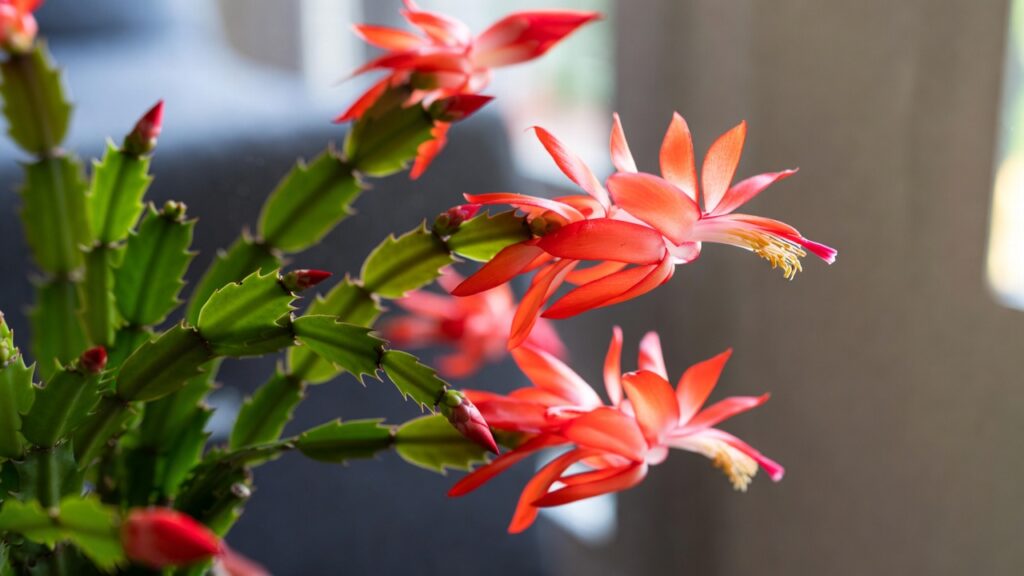
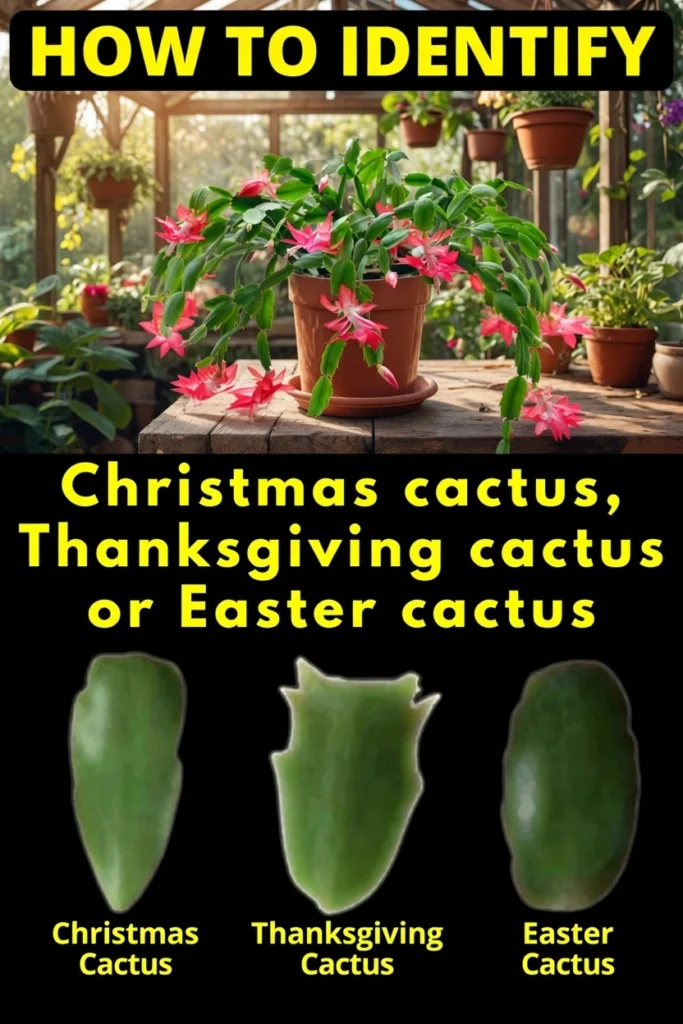
As winter approaches and holiday decorations begin to appear, many plant enthusiasts are turning their attention to one of the most rewarding seasonal houseplants: the Christmas cactus. These stunning succulents, scientifically known as Schlumbergera, have captivated indoor gardeners for generations with their vibrant blooms that coincidentally appear during the holiday season. Unlike their desert-dwelling relatives, these tropical cacti thrive in the controlled environment of our homes, making them perfect candidates for year-round cultivation.
The key to successfully growing these festive plants lies in understanding their unique needs and implementing proper Christmas cactus care indoors. These epiphytic plants, native to the Brazilian rainforests, require a delicate balance of moisture, light, and temperature to flourish. One of the most critical aspects of their care involves mastering Christmas cactus watering indoors, as these plants have specific hydration requirements that differ significantly from traditional cacti.
Recent horticultural studies indicate that Christmas cacti can live for decades when provided with optimal growing conditions, with some specimens reportedly thriving for over 100 years. This remarkable longevity makes them not only beautiful additions to your indoor garden but also potential family heirlooms that can be passed down through generations. Understanding the fundamental principles of their care will ensure your Christmas cactus becomes a long-lasting source of joy and seasonal beauty in your home.
Step-by-Step Instructions
Step 1: Selecting the Perfect Location
Begin by choosing an ideal spot for your Christmas cactus that receives bright, indirect light. East or north-facing windows work exceptionally well, as they provide gentle morning light without the harsh afternoon sun that can scorch the delicate segments. Avoid placing your plant in direct sunlight, which can cause the leaves to turn yellow and become stressed.
Step 2: Preparing the Growing Medium
Create a well-draining potting mixture by combining equal parts high-quality potting soil, peat moss, and perlite. This combination ensures proper drainage while retaining adequate moisture—a crucial component of effective Christmas cactus care indoors. The pH level should ideally range between 5.5 and 6.2, slightly acidic conditions that mirror their natural habitat.
Step 3: Establishing a Watering Schedule
Develop a consistent watering routine that maintains soil moisture without creating waterlogged conditions. Check the top inch of soil regularly—when it feels dry to the touch, it’s time to water. Pour water slowly until it begins to drain from the bottom holes, ensuring the entire root system receives adequate hydration. Proper Christmas cactus watering indoors typically requires watering every 7-10 days during the growing season, adjusting frequency based on environmental conditions.
Step 4: Maintaining Optimal Temperature and Humidity
Keep your Christmas cactus in temperatures ranging from 65-70°F (18-21°C) during the day and slightly cooler at night. These plants appreciate higher humidity levels, typically around 50-60%. Place a humidity tray filled with water and pebbles beneath the pot, or use a room humidifier to maintain these conditions.
Step 5: Fertilizing for Healthy Growth
During the active growing season (April through September), feed your Christmas cactus monthly with a balanced, water-soluble fertilizer diluted to quarter strength. Reduce fertilization during fall and winter months when the plant enters its dormant period.
Step 6: Encouraging Bloom Formation
To trigger blooming, provide your Christmas cactus with 12-14 hours of complete darkness daily for 6-8 weeks beginning in early October. Simultaneously, reduce watering frequency and maintain cooler temperatures (50-55°F) during this period. This mimics the natural seasonal changes that signal the plant to produce flower buds.
Tips
Monitor Environmental Factors Consistently
Success with Christmas cacti depends heavily on maintaining stable environmental conditions. Sudden temperature fluctuations, drafts from heating vents, or inconsistent lighting can stress the plant and prevent blooming. Use a digital thermometer and hygrometer to track conditions accurately, making adjustments as needed throughout the seasons.
Recognize Signs of Stress Early
Learn to identify common stress indicators such as segment dropping, yellowing, or failure to bloom. These symptoms often result from overwatering, insufficient light, or temperature extremes. Early intervention can prevent minor issues from becoming major problems that compromise plant health.
Practice Proper Pruning Techniques
Regular pruning not only maintains the plant’s shape but also encourages fuller growth and more abundant blooming. Remove spent flowers promptly and trim back overly long segments during late spring. Always use clean, sharp scissors or pruning shears to prevent disease transmission.
Implement Seasonal Care Adjustments
Adapt your care routine to match the plant’s natural growth cycles. During summer months, Christmas cacti benefit from outdoor placement in filtered shade, provided nighttime temperatures don’t drop below 50°F. This exposure to natural temperature variations and increased air circulation promotes healthier growth.
Choose Appropriate Container Size
Christmas cacti prefer being slightly root-bound, so avoid oversized containers that retain excess moisture. Repot only when roots become severely crowded, typically every 2-3 years, using a pot just one size larger than the current container.
Alternative Methods
Hydroponic Growing Systems
For tech-savvy gardeners, hydroponic cultivation offers precise control over nutrient delivery and moisture levels. Use a passive hydroponic system with an inert growing medium like expanded clay pebbles or perlite. This method eliminates soil-related issues and allows for more consistent growth rates, though it requires careful monitoring of nutrient solutions and pH levels.
Self-Watering Container Systems
Self-watering planters can simplify maintenance for busy gardeners or those who travel frequently. These systems feature built-in water reservoirs that provide consistent moisture through capillary action. While convenient, they require careful initial setup and periodic monitoring to prevent over-saturation.
Seasonal Outdoor-Indoor Rotation
Some growers successfully rotate their Christmas cacti between indoor and outdoor environments seasonally. During late spring and summer, place plants in shaded outdoor locations where they benefit from natural humidity, air circulation, and temperature fluctuations. This method often results in more robust plants and enhanced blooming, though it requires careful acclimation periods during transitions.
Propagation Through Segment Cuttings
Expand your collection or share plants with friends through segment propagation. Remove 2-3 healthy segments, allow them to callus for 24 hours, then plant in moist potting mix. This alternative method of creating new plants is both economical and rewarding, typically showing root development within 3-4 weeks.
Grafting onto Different Rootstocks
Advanced growers may experiment with grafting Christmas cactus segments onto other cacti rootstocks, such as Pereskia or Hylocereus. This technique can create unique tree-form specimens and may improve cold tolerance, though it requires specialized knowledge and techniques.
Conclusion
Successfully cultivating Christmas cacti indoors represents one of the most rewarding aspects of seasonal houseplant gardening, offering both immediate beauty and long-term satisfaction. These remarkable plants demonstrate that with proper understanding and consistent application of correct techniques, even novice gardeners can achieve spectacular results. The foundation of success rests on implementing comprehensive Christmas cactus care indoors, which encompasses everything from environmental management to seasonal adjustments that mirror their natural habitat.
The critical importance of mastering Christmas cactus watering indoors cannot be overstated, as proper hydration serves as the cornerstone of plant health and blooming success. By maintaining the delicate balance between adequate moisture and proper drainage, gardeners create the optimal conditions these tropical epiphytes need to thrive in our homes.
As you embark on or continue your Christmas cactus growing journey, remember that patience and consistency yield the most impressive results. These plants reward attentive care with decades of reliable blooming, creating cherished holiday memories and potentially becoming treasured family traditions. The investment in learning proper cultivation techniques pays dividends not only in the form of stunning seasonal displays but also in the deep satisfaction that comes from successfully nurturing a living piece of natural beauty through the years. Whether you’re a beginning gardener or an experienced plant enthusiast, Christmas cacti offer endless opportunities for learning, sharing, and celebrating the intersection of horticulture and holiday tradition.