Table of Contents
Introduction
The beloved Christmas cactus (Schlumbergera) brings festive cheer to homes during the holiday season with its vibrant blooms. However, these tropical epiphytes can fall victim to various Christmas cactus pests that threaten their health and flowering potential. Understanding how to identify and manage bugs on Christmas cactus is essential for maintaining these stunning houseplants year-round.
Unlike desert cacti, Christmas cacti originate from the rainforests of Brazil, making them more susceptible to pest infestations due to their preference for humid conditions and regular watering. These succulent-like plants require specific care regarding soil composition, sunlight exposure, and climate conditions to thrive indoors while remaining pest-free.
What Is It?
Christmas cactus pests encompass a variety of insects and arthropods that target these holiday favorites. The most common culprits include spider mites, mealybugs, scale insects, aphids, and fungus gnats. These pests exploit the plant’s natural growing conditions, particularly the moderate humidity and consistent moisture levels that Christmas cacti require.
The segmented, flattened stems of Christmas cacti provide numerous hiding spots for small insects, while the plant’s preference for indirect sunlight and warm temperatures creates an ideal environment for pest reproduction. Understanding the biology and behavior of these pests is crucial for effective prevention and treatment.
Primary Pest Categories
Sucking Insects: These pests pierce plant tissues to extract sap, weakening the plant and potentially transmitting diseases. Examples include aphids, scale insects, and mealybugs.
Mites: Microscopic arachnids that feed on plant cells, causing stippling, yellowing, and eventual leaf drop in severe infestations.
Soil-Dwelling Pests: Insects like fungus gnats that thrive in moist potting soil and can damage root systems while in their larval stage.
Benefits and Advantages
Maintaining a pest-free Christmas cactus offers numerous advantages beyond aesthetic appeal. Healthy plants demonstrate improved growth habits, producing more robust blooms during their natural flowering period from November through January. Proper pest management ensures optimal nutrient uptake, allowing the plant to efficiently process fertilizer applications and maintain vibrant green coloration in its stem segments.
Pest-free Christmas cacti also exhibit better resistance to diseases, as many pathogens enter plants through wounds created by feeding insects. Clean plants require less intensive care, reducing the need for chemical treatments that might affect indoor air quality or harm beneficial insects.
Long-term Plant Health Benefits
– Enhanced flowering capacity and bloom duration
– Improved resistance to environmental stresses
– Better response to pruning and propagation efforts
– Reduced risk of secondary infections
– Increased longevity and overall plant vigor
Step-by-Step Growing or Care Guide
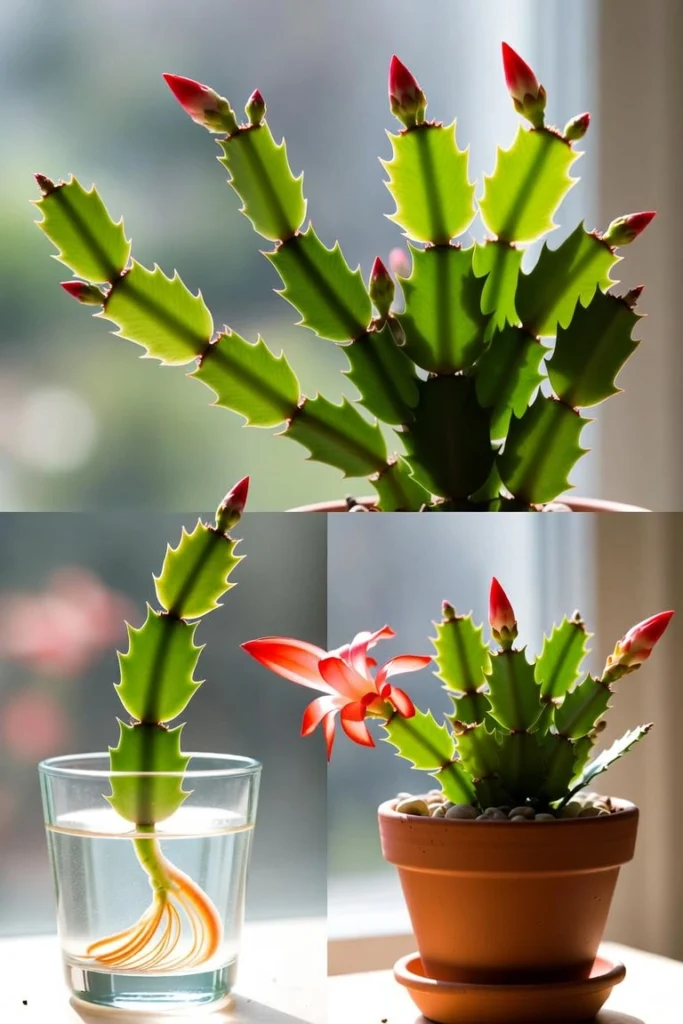
Creating an environment that naturally deters pests while promoting healthy Christmas cactus growth requires attention to several key factors.
1. Soil Preparation and Selection
Choose a well-draining potting mix specifically formulated for cacti and succulents. The ideal soil composition includes:
– 50% high-quality potting soil
– 25% perlite or pumice for drainage
– 25% coarse sand or fine bark chips
Avoid heavy, moisture-retentive soils that encourage fungus gnat infestations and root rot conditions.
2. Watering Practices
Implement a consistent watering schedule that maintains soil moisture without waterlogging:
– Water when the top inch of soil feels dry
– Use room-temperature water to avoid shocking the roots
– Ensure complete drainage after each watering session
– Reduce watering frequency during winter dormancy periods
3. Light and Temperature Management
Position Christmas cacti in bright, indirect sunlight with temperatures between 65-75°F (18-24°C). Avoid placing plants near heating vents or drafty windows, as temperature fluctuations stress plants and make them more susceptible to pest infestations.
4. Humidity Control
Maintain moderate humidity levels (40-50%) using:
– Pebble trays filled with water
– Room humidifiers during dry winter months
– Grouping plants together to create microclimates
5. Regular Inspection and Maintenance
Conduct weekly plant inspections, examining:
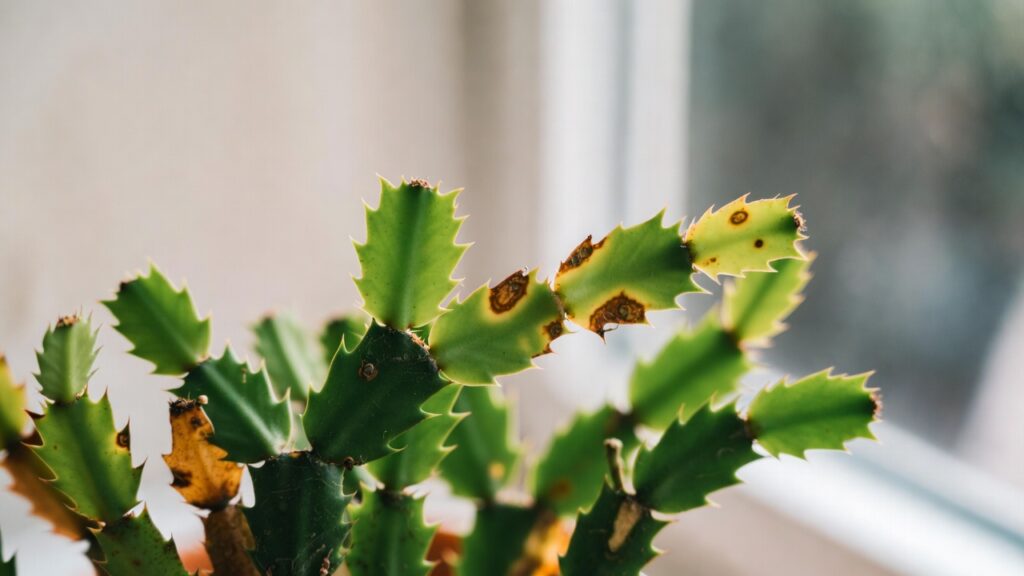
– Stem segments for discoloration or unusual markings
– Soil surface for signs of fungus gnats or other insects
– Overall plant appearance for changes in growth patterns
Common Mistakes to Avoid
Many Christmas cactus owners inadvertently create conditions that attract pests through well-intentioned but misguided care practices.
Overwatering Issues
Excessive moisture creates ideal breeding conditions for fungus gnats and promotes root rot, which weakens plants and makes them vulnerable to secondary pest infestations. Always allow soil to dry slightly between watering sessions.
Inadequate Air Circulation
Stagnant air around Christmas cacti encourages spider mite populations and fungal growth. Position plants where they receive gentle air movement without direct drafts.
Ignoring Quarantine Protocols
New plants should be isolated for 2-3 weeks before joining existing collections. This prevents the introduction of pests that may not be immediately visible during the initial inspection.
Using Inappropriate Fertilizers
High-nitrogen fertilizers promote soft, succulent growth that attracts aphids and other sucking insects. Use balanced, diluted fertilizer formulations during the growing season.
Expert Gardening Tips
Professional horticulturists employ several advanced strategies to maintain pest-free Christmas cactus collections.
Preventive Spray Applications
Create a natural deterrent spray using:
– 1 teaspoon mild liquid soap
– 1 cup water
– 2-3 drops neem oil
Apply monthly during the growing season as a preventive measure.
Beneficial Insect Integration
Encourage natural predators by:
– Maintaining diverse houseplant collections
– Avoiding broad-spectrum insecticides
– Providing small water sources for beneficial insects
Environmental Monitoring
Use digital hygrometers and thermometers to track environmental conditions and identify potential stress factors before they attract pests.
Companion Planting Strategies
Position Christmas cacti near plants that naturally repel common pests, such as herbs with strong fragrances or plants that attract beneficial insects.
Common Problems and Solutions
| Pest Type | Symptoms | Treatment Method | Prevention Strategy |
|---|---|---|---|
| Spider Mites | Fine webbing, yellowing segments, stippling | Increase humidity, insecticidal soap spray | Regular misting, adequate air circulation |
| Mealybugs | White, cottony masses on stems | Alcohol swabs, systemic insecticide | Quarantine new plants, regular inspection |
| Scale Insects | Brown, waxy bumps on segments | Manual removal, horticultural oil | Maintain plant vigor, avoid over-fertilizing |
| Fungus Gnats | Small flies around soil, larvae in roots | Yellow sticky traps, soil replacement | Proper drainage, controlled watering |
Integrated Pest Management Approach
Successful Christmas cactus pests control requires combining multiple strategies rather than relying on single treatment methods. This holistic approach includes cultural practices, biological controls, and targeted chemical interventions when necessary.
Emergency Treatment Protocols
When severe infestations occur:
1. Isolate affected plants immediately
2. Remove heavily infested segments through pruning
3. Apply appropriate treatments based on pest identification
4. Monitor daily for treatment effectiveness
5. Gradually reintroduce plants to main collection after pest elimination
Best Companion Plants
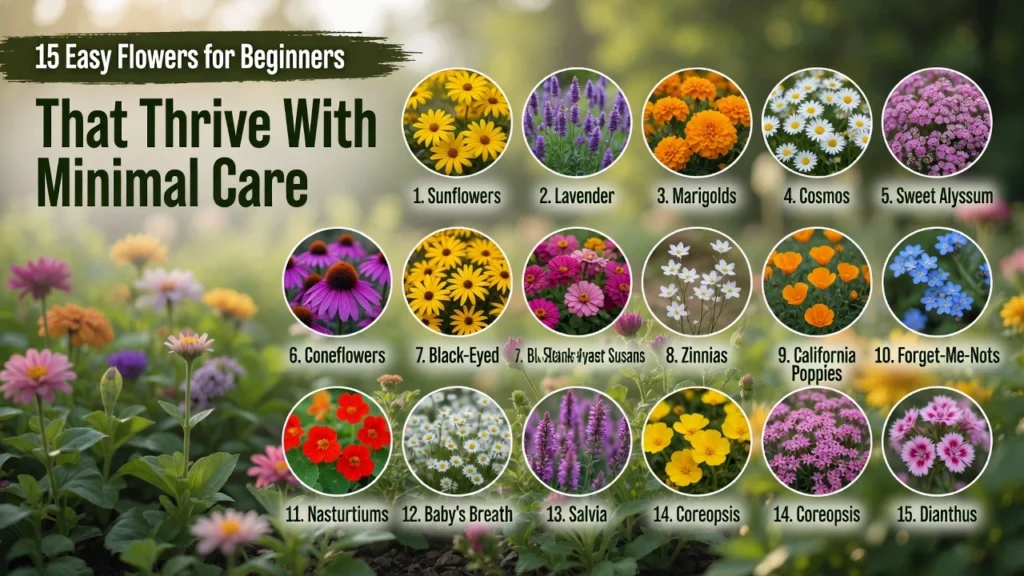
Strategic companion planting can significantly reduce pest pressure on Christmas cacti while creating attractive indoor displays.
Pest-Repelling Companions
Aromatic Herbs:
– Rosemary: Deters spider mites and aphids
– Lavender: Repels various flying insects
– Mint: Discourages ant infestations
Flowering Plants:
– Marigolds: Natural pest deterrent properties
– Nasturtiums: Trap crops for aphids
– Petunias: Repel aphids and other sucking insects
Beneficial Insect Attractors
Plants that encourage natural predators include:
– Sweet alyssum for attracting lacewings
– Dill for supporting beneficial wasp populations
– Yarrow for encouraging diverse beneficial insect communities
Environmental Enhancers
Companion plants that improve growing conditions:
– Ferns for natural humidity regulation
– Spider plants for air purification
– Peace lilies for consistent moisture indicators
Seasonal Care Guide
Christmas cactus pest management varies throughout the year based on seasonal growth patterns and environmental changes.
Spring (March-May)
Primary Focus: Prevention and early detection
– Increase inspection frequency as temperatures warm
– Begin regular fertilizer applications
– Implement preventive spray schedules
– Repot plants showing signs of root congestion
Pest Activity: Spider mites and aphids become more active with increasing daylight and temperatures.
Summer (June-August)
Primary Focus: Monitoring and maintenance
– Maintain consistent watering schedules
– Provide adequate air circulation during hot weather
– Continue monthly preventive treatments
– Monitor for heat stress that attracts pests
Pest Activity: Peak activity for most Christmas cactus pests due to warm temperatures and high humidity.
Fall (September-November)
Primary Focus: Pre-bloom preparation
– Reduce watering frequency slightly
– Discontinue fertilizer applications
– Increase inspection frequency before bloom period
– Address any existing pest issues before flowering
Pest Activity: Bugs on Christmas cactus may increase as plants prepare for dormancy and indoor heating begins.
Winter (December-February)
Primary Focus: Bloom protection and dormancy support
– Minimize plant disturbance during flowering
– Maintain stable environmental conditions
– Monitor for dry air effects from indoor heating
– Plan for spring pest prevention strategies
Pest Activity: Generally reduced, but spider mites may increase in dry indoor conditions.
Frequently Asked Questions
How do I identify spider mites on my Christmas cactus?
Spider mites appear as tiny, moving specks on stem segments and create fine webbing between plant parts. Look for yellowing or stippled segments, particularly on older growth. Hold a white piece of paper under the plant and gently shake it – spider mites will appear as moving dots on the paper. These pests thrive in dry conditions, so increasing humidity often provides immediate relief.
What causes white, cottony masses on Christmas cactus stems?
White, cottony masses indicate mealybug infestations. These insects feed on plant sap and secrete protective waxy coverings that appear cotton-like. Mealybugs typically cluster in stem joints and hidden areas. Remove them using cotton swabs dipped in rubbing alcohol, then treat the entire plant with insecticidal soap to eliminate any remaining insects.
Why are there small flies around my Christmas cactus soil?
Small flies around the soil surface are typically fungus gnats, which breed in moist potting soil. Adult gnats are primarily nuisances, but their larvae feed on organic matter and roots. Control them by allowing soil to dry between waterings, using yellow sticky traps for adults, and applying beneficial nematodes to eliminate larvae in the soil.
How can I prevent scale insects on my Christmas cactus?
Scale insects appear as small, brown, waxy bumps on plant segments. Prevention includes maintaining proper air circulation, avoiding over-fertilization that promotes soft growth, and regularly inspecting plants. Quarantine new plants for several weeks before adding them to your collection. If scales appear, remove them manually or apply horticultural oil to suffocate the insects.
What natural remedies work best for Christmas cactus pests?
Effective natural remedies include insecticidal soap sprays for soft-bodied insects, neem oil for various pests, and increasing humidity for spider mite control. Create a simple spray using mild liquid soap and water, or use rubbing alcohol on cotton swabs for spot treatments. Beneficial insects like ladybugs can also help control aphid populations naturally.
How often should I inspect my Christmas cactus for pests?
Inspect your Christmas cactus weekly during growing seasons and bi-weekly during dormant periods. Pay special attention to stem joints, undersides of segments, and soil surfaces. Early detection prevents minor pest issues from becoming major infestations. Use a magnifying glass to spot tiny pests like spider mites or young scale insects.
Can overwatering attract pests to Christmas cacti?
Yes, overwatering creates ideal conditions for fungus gnats and promotes root rot, which weakens plants and makes them susceptible to various pests. Soggy soil also increases humidity around the plant base, encouraging pest reproduction. Water only when the top inch of soil feels dry, and ensure proper drainage to prevent standing water.
What should I do if my Christmas cactus has multiple pest types?
When dealing with multiple pest types, start with the most damaging species first, typically those causing visible plant damage like mealybugs or scale insects. Use broad-spectrum treatments like insecticidal soap that target multiple pest types simultaneously. Isolate severely infested plants and consider systemic treatments for persistent problems. Address underlying care issues that may be attracting pests.
Conclusion
Successfully managing Christmas cactus pests requires understanding these unique plants’ specific needs and vulnerabilities. By implementing proper cultural practices, maintaining optimal growing conditions, and conducting regular monitoring, gardeners can prevent most pest problems before they become serious threats.
The key to long-term success lies in creating an environment that promotes plant health while discouraging pest establishment. This includes proper soil selection, appropriate watering schedules, adequate air circulation, and strategic companion planting. When pest issues do arise, early detection and integrated management approaches provide the most effective solutions.
Remember that healthy Christmas cacti naturally resist pest infestations better than stressed plants. Focus on providing consistent care throughout the year, adjusting practices seasonally, and maintaining vigilance during peak pest activity periods. With proper attention to both Christmas cactus pests and overall plant health, these remarkable holiday bloomers will provide years of festive beauty and gardening satisfaction.
Regular pruning, appropriate fertilizer applications, and attention to climate conditions all contribute to pest resistance. By following these comprehensive guidelines and remaining observant of your plants’ changing needs, you can enjoy pest-free Christmas cacti that reward your care with spectacular seasonal displays year after year.