Table of Contents
Introduction
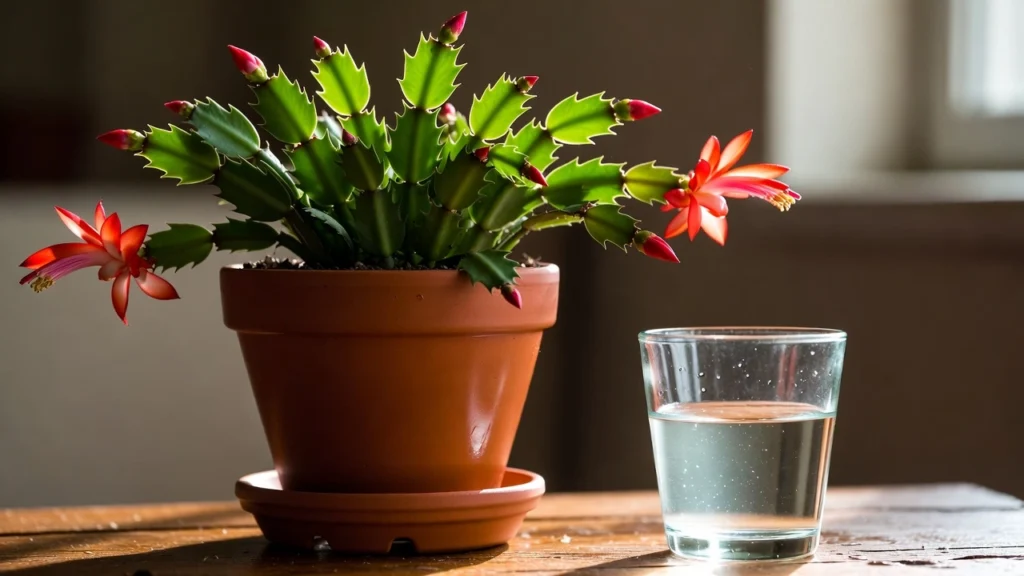
The Christmas cactus (Schlumbergera) is a beloved holiday houseplant that brings vibrant blooms to brighten the winter months. Unlike its desert-dwelling relatives, this tropical epiphyte has unique moisture requirements that many gardeners struggle to understand. Proper Christmas cactus watering techniques are essential for maintaining healthy foliage and encouraging spectacular seasonal blooms. Understanding the nuances of watering Christmas cactus indoors will help you avoid common pitfalls like root rot and dehydration that can quickly damage these stunning succulents. With the right approach to moisture management, your Christmas cactus will reward you with years of beautiful holiday displays and vigorous growth throughout the seasons.
Understanding Your Christmas Cactus’s Natural Habitat
Christmas cacti originate from the humid rainforests of Brazil, where they grow as epiphytes on trees and rocks. This natural environment provides crucial insights into their watering needs. Unlike traditional desert cacti that store water in thick, waxy stems, Christmas cacti have evolved to absorb moisture from the humid air and occasional rainfall in their tropical home.
The segmented, flattened stems of these plants contain specialized cells that can store some moisture, but they require more consistent hydration than their arid-climate cousins. In their native habitat, they experience regular moisture from mist, rain, and high humidity levels, which explains why they thrive with more frequent watering than typical succulents.
Recognizing When Your Christmas Cactus Needs Water
Visual and Tactile Indicators
The most reliable method for determining watering needs involves checking the soil moisture with your finger. Insert your index finger approximately one to two inches into the potting medium. If the soil feels dry at this depth, it’s time to water. The surface may appear dry while deeper layers retain adequate moisture, so this finger test prevents both overwatering and underwatering.
Watch for visual cues on the plant itself. Healthy Christmas cactus segments should feel plump and firm to the touch. When the plant becomes dehydrated, the stem segments may appear slightly wrinkled or feel softer than usual. The foliage might also take on a dull appearance rather than its typical glossy sheen.
Seasonal Watering Variations
Christmas cacti have distinct seasonal water requirements that align with their natural growth cycles. During spring and summer active growing seasons, these plants require more frequent watering as they produce new growth and build energy reserves. Fall brings a crucial rest period where reduced watering helps trigger bud formation for winter blooms.
Winter watering should be minimal once blooming begins, as excessive moisture during this period can cause bud drop and root problems. Resume regular watering schedules as temperatures warm and daylight hours increase in late winter and early spring.
Proper Watering Techniques and Best Practices
The Thorough Soaking Method
When you water your Christmas cactus, provide a thorough soaking rather than light, frequent sprinklings. Pour room-temperature water slowly around the base of the plant until it begins draining from the bottom holes. This deep watering encourages healthy root development and ensures moisture reaches all root zones.
Allow excess water to drain completely from the saucer beneath the pot within 30 minutes of watering. Standing water creates anaerobic conditions that promote root rot and fungal diseases. Empty drainage saucers promptly to maintain proper soil aeration and prevent waterlogged conditions.
Water Quality Considerations
Christmas cacti prefer slightly acidic to neutral water with minimal chemical additives. Tap water high in chlorine, fluoride, or dissolved salts can gradually damage sensitive root systems and cause leaf burn. If your tap water is heavily treated, consider using filtered water, rainwater, or letting tap water sit overnight to allow chlorine to dissipate.
Temperature matters significantly for these tropical plants. Cold water can shock the root system and slow nutrient uptake, while very hot water can damage delicate root hairs. Room-temperature water provides the ideal conditions for optimal absorption and plant health.
Soil and Drainage Requirements
Choosing the Right Potting Mix
Christmas cacti require well-draining, slightly acidic soil that retains some moisture without becoming waterlogged. A quality cactus and succulent potting mix provides an excellent foundation, but you can enhance drainage by adding perlite, pumice, or coarse sand. Avoid heavy, clay-based soils that retain too much moisture and can suffocate root systems.
Consider mixing your own blend using equal parts quality potting soil, perlite, and orchid bark. This combination provides the drainage these epiphytes need while retaining enough moisture to support healthy growth. The organic components gradually break down to provide gentle nutrition while maintaining proper soil structure.
Container Selection and Drainage
Choose containers with multiple drainage holes to prevent water accumulation. Terra cotta and ceramic pots work excellently because they allow some moisture evaporation through the walls, helping regulate soil moisture levels. Plastic containers can work well too, but require more careful monitoring to prevent overwatering.
Size your container appropriately for the plant’s root system. Christmas cacti prefer being slightly root-bound, so avoid overly large pots that hold excessive soil moisture. A pot that’s 1-2 inches wider than the root ball provides adequate growing space without creating waterlogged conditions.
Tips for Maintaining Optimal Moisture Levels
Monitor humidity levels around your Christmas cactus, especially during winter when indoor heating systems reduce air moisture. These plants appreciate humidity levels between 40-50%. Place a humidity tray filled with water and pebbles beneath the pot, or use a room humidifier to maintain adequate moisture in the air.
Adjust your watering schedule based on environmental factors like temperature, humidity, and air circulation. Hot, dry conditions or increased air movement will require more frequent watering, while cool, humid conditions extend the time between waterings. Keep a watering log to track patterns and develop an intuitive sense of your plant’s needs.
Group your Christmas cactus with other houseplants to create a beneficial microclimate with increased humidity. The collective transpiration from multiple plants raises local moisture levels naturally, reducing the need for artificial humidity supplements.
Alternative Methods for Christmas Cactus Hydration
Bottom Watering Technique
Bottom watering provides an excellent alternative method for Christmas cactus watering that encourages deep root development. Place the pot in a shallow tray of room-temperature water and allow the soil to absorb moisture from below for 15-20 minutes. Remove the pot once the top inch of soil feels moist to the touch.
This technique prevents water from collecting on the foliage and stem segments, reducing the risk of fungal diseases and rot. It also ensures even soil moisture distribution and encourages roots to grow downward rather than staying near the surface.
Misting and Foliar Moisture
While Christmas cacti don’t require foliar watering, occasional light misting can provide supplemental humidity during dry periods. Use distilled water and mist around the plant rather than directly on the segments to avoid creating conditions for bacterial or fungal problems. Morning misting allows any moisture on the plant to evaporate before cooler evening temperatures.
Focus misting efforts on increasing ambient humidity rather than replacing soil watering. This mimics the natural moisture conditions these plants experience in their rainforest habitat while maintaining proper soil drainage and root health.
Conclusion
Successful Christmas cactus watering requires understanding these unique plants’ tropical origins and adapting your care routine accordingly. Unlike desert cacti, Christmas cacti need consistent but not excessive moisture, combined with excellent drainage and appropriate humidity levels. The key to watering Christmas cactus indoors successfully lies in observing your plant’s responses and adjusting your approach based on seasonal changes and environmental conditions. With proper moisture management, quality soil, and attention to drainage, your Christmas cactus will develop a robust root system and reward you with spectacular blooms year after year. Remember that consistency in your watering routine, combined with patience and observation, will help you develop the intuitive understanding needed to keep your Christmas cactus thriving throughout its natural growing cycles.