Table of Contents
Creating a thriving garden starts from the ground up—literally. The quality of your soil determines whether your plants flourish or struggle, whether your vegetables reach peak ripeness, or whether your flowers bloom with vibrant colors. For both seasoned gardeners and beginners, understanding what constitutes the best garden soil is fundamental to success. In this comprehensive guide, we’ll explore everything you need to know about garden soil composition, selection criteria, and proven methods for soil improvement.
Understanding Garden Soil Composition and Structure
Before diving into what makes soil “best” for your garden, it’s essential to understand the basic components that make up healthy garden soil. Quality garden soil is far more than just dirt—it’s a complex ecosystem containing mineral particles, organic matter, water, air, and countless microorganisms that work together to support plant growth.
The Mineral Component: Sand, Silt, and Clay
The foundation of any soil consists of three mineral components: sand, silt, and clay. These particles vary in size and influence how soil behaves.
Sand particles are the largest, ranging from 0.05mm to 2mm in diameter. Sandy soils drain quickly, warm up fast in spring, and are easy to work with. However, they don’t retain nutrients or moisture well, requiring more frequent watering and fertilization.
Silt particles fall between sand and clay, measuring 0.002mm to 0.05mm. Silty soils have excellent water retention and nutrient-holding capacity while remaining relatively easy to cultivate. They represent an ideal middle ground in soil texture.
Clay particles are the smallest, under 0.002mm in diameter. Clay soils retain water exceptionally well and hold nutrients effectively, but they compact easily, drain poorly, and become difficult to work when wet or hard when dry. The ideal garden soil contains a balanced mixture of all three—what soil scientists call “loam.”
Organic Matter: The Living Element
Perhaps the most important component of the best garden soil is organic matter. Comprising decomposed plant and animal material, organic matter typically makes up 2-10% of healthy garden soil. This seemingly small percentage creates enormous benefits.
Organic matter improves soil structure, increases water retention capacity in sandy soils, improves drainage in clay soils, and provides a slow-release nutrient source. It also feeds beneficial soil organisms that process nutrients into plant-available forms and protect against soil-borne diseases.
Characteristics of the Best Garden Soil
Identifying the best garden soil for your specific gardening needs requires understanding several key characteristics that indicate quality soil.
Optimal Soil Texture and Structure
Premium garden soil exhibits a crumbly texture that’s easy to work with year-round. When you squeeze moist soil in your hand, it should hold together briefly but crumble apart when you open your hand. This indicates proper balance between mineral particles and organic content.
The soil structure should allow air pockets throughout, enabling oxygen penetration for root development and beneficial organism activity. Well-structured soil resists compaction and maintains its properties even under foot traffic or rain.
Appropriate pH Level
Most plants thrive in slightly acidic to neutral soil, with a pH between 6.0 and 7.0. Soil pH affects nutrient availability—some nutrients are more accessible in acidic conditions, while others require neutral or slightly alkaline environments. The best garden soil for general gardening maintains this neutral pH range, though specific plants may prefer different pH levels.
You can test your soil pH using inexpensive test kits from garden centers or by sending samples to your local cooperative extension office for professional analysis.
Rich Nutrient Content
Quality garden soil contains balanced macronutrients—nitrogen, phosphorus, and potassium—plus micronutrients like magnesium, calcium, iron, and boron. Rather than relying solely on synthetic fertilizers, the best garden soil builds nutrients through organic matter decomposition and microbial activity.
Nutrient-rich soil supports vigorous plant growth without requiring constant supplementation, reducing gardening expenses and environmental impact.
Beneficial Microbial Activity
The best garden soil teems with life—bacteria, fungi, protozoa, and arthropods that create a functional ecosystem. These microorganisms break down organic matter, release nutrients, suppress disease-causing pathogens, and improve soil structure. A handful of healthy garden soil contains more organisms than there are people on Earth.
Choosing Between Commercial and Homemade Garden Soil
Gardeners face a choice between purchasing commercial garden soil mixes or creating their own. Each approach offers distinct advantages.
Commercial Garden Soil Products
High-quality commercial garden soil provides convenience and consistency. Premium brands often blend topsoil, compost, and peat moss or coconut coir in proportions designed to create optimal growing conditions. Brands vary significantly in quality, so purchasing from reputable garden centers helps ensure you’re getting genuine quality soil rather than fill dirt labeled as garden soil.
Commercial soils offer several advantages: they’re convenient for large projects, they’re tested for contaminants, and they provide immediate results. However, they can be expensive for large gardens, and the microbial life isn’t as established as in aged, naturally-built soil.
Homemade Garden Soil Recipes
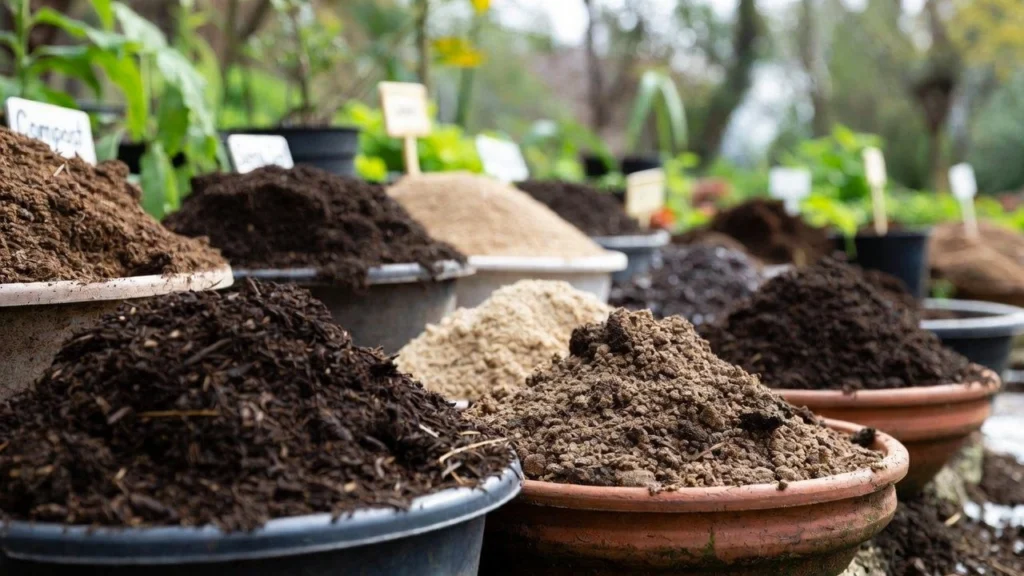
Many experienced gardeners create custom soil mixes tailored to their specific plants and local conditions. A basic formula includes equal parts topsoil, compost, and peat moss or coconut coir, adjusted based on your native soil type.
For vegetable gardening, gardeners often use ratios of 40% topsoil, 40% quality compost, and 20% peat moss. For container gardening and raised beds, lighter mixes with higher compost ratios work better. The advantage of homemade soil is cost-effectiveness for large projects and the ability to customize based on plant needs.
Soil Improvement Strategies for Existing Gardens
Most gardeners work with existing soil that needs enhancement. Strategic soil improvement transforms even mediocre soil into productive growing medium.
Adding Organic Matter Through Composting
The most effective soil improvement method involves incorporating organic matter through composting. Well-made compost provides nutrients, improves structure, and introduces beneficial microorganisms. Add 2-4 inches of finished compost to your garden beds annually.
You can create compost at home by layering brown materials (dry leaves, straw, paper) with green materials (grass clippings, vegetable scraps, coffee grounds) in a 2:1 brown-to-green ratio. Keep the pile moist and turn it periodically to speed decomposition. Within 3-6 months, you’ll have dark, crumbly compost ready for garden use.
Using Cover Crops and Green Manure
Planting cover crops like clover, alfalfa, or winter rye in off-seasons builds soil fertility while preventing erosion. These plants are tilled into the soil before planting, decomposing into organic matter and nitrogen. This traditional soil improvement method requires planning but provides excellent, free soil enhancement.
Mulching for Gradual Soil Enhancement
Applying 2-3 inches of organic mulch over garden beds protects soil while continuously improving it. As mulch decomposes, it adds organic matter and nutrients while suppressing weeds, retaining moisture, and moderating soil temperature. Excellent mulch options include shredded leaves, wood chips, straw, and compost.
Avoid using fresh wood chips around vegetable gardens, as decomposition temporarily reduces nitrogen availability. Aged wood chips work better for established beds.
Specialized Garden Soil Recommendations
Different gardening applications benefit from tailored soil approaches.
Best Soil for Vegetable Gardens
Vegetables demand nutrient-rich, well-draining soil with excellent organic matter content. Vegetable garden soil should include 4-5 inches of finished compost worked into the top 8-10 inches of native soil. A soil test ensures adequate nutrient levels, and annual compost additions maintain fertility.
Raised bed vegetables thrive in custom mixes: combine equal parts topsoil, compost, and peat moss for an ideal medium that drains well while retaining moisture and nutrients.
Best Soil for Flower Gardens
Ornamental flowers generally prefer slightly better-drained soil than vegetables. Most flowers thrive with 2-3 inches of compost mixed into existing soil. For acid-loving plants like azaleas and blueberries, incorporate sulfur to lower pH and ensure proper nutrient availability.
Best Soil for Container Gardening
Container gardening requires lighter, fluffier soil than in-ground beds. Commercial potting mixes work well for containers, but you can create custom mixes with 40% compost, 40% peat moss or coconut coir, and 20% perlite for excellent drainage and aeration. Learn more about specialized gardening applications through our guide on best garden soil for small spaces.
Best Soil for Seed Starting
Seed starting soil must be light, sterile, and moisture-retentive. Commercial seed-starting mixes typically contain peat moss, perlite, and vermiculite in formulations that prevent damping-off disease while providing ideal conditions for germination.
Testing and Monitoring Your Garden Soil
Understanding your specific soil conditions enables targeted improvement efforts.
Professional Soil Testing
Cooperative extension offices throughout North America offer affordable soil testing services. For $15-30, you receive detailed analysis of pH, nutrient levels, organic matter percentage, and texture. Extension agents provide specific recommendations for your region and plants.
Test soil every 2-3 years in established gardens, more frequently in new beds or problem areas.
DIY Soil Testing Methods
Simple at-home tests provide basic information. The jar test reveals soil texture by layering soil particles by density. The percolation test measures drainage rate by timing how quickly water moves through a soil column. While less precise than laboratory analysis, these methods help identify obvious problems.
Common Soil Problems and Solutions
Even with quality soil, problems emerge over time.
Compacted Soil
Heavy foot traffic, vehicles, or equipment compacts soil, reducing air pockets and drainage. Remedy compaction by aerating with a core aerator, then adding 2-3 inches of compost. In severe cases, raised beds filled with quality soil provide a fresh start.
Nutrient Depletion
Intensive gardening depletes soil nutrients, particularly nitrogen. Annual compost additions replenish nutrients naturally. For faster correction, apply balanced organic fertilizers or conduct soil tests to target specific deficiencies.
Poor Drainage
Clay-heavy soil often drains poorly, waterlogging roots. Improve drainage by adding coarse organic matter and perlite, creating raised beds, or installing drainage systems in severely affected areas.
Excessive Acidity or Alkalinity
Out-of-range pH prevents nutrient availability despite adequate nutrient presence. Raise pH in acidic soil by adding lime; lower pH in alkaline soil through sulfur applications. Follow soil test recommendations for appropriate application rates.
Seasonal Soil Care Practices
Proactive soil maintenance throughout the year sustains long-term productivity.
Spring Soil Preparation
Before planting, work 2-3 inches of compost into garden beds and conduct final soil testing if not done the previous fall. This enriches soil right when plants need nutrition most.
Summer Soil Maintenance
Apply 2-3 inches of mulch to protect soil from summer heat, reduce water loss, and suppress weeds. Water mulched beds deeply but less frequently than unmulched soil.
Fall Soil Enrichment
Autumn offers ideal timing for major soil amendments before winter dormancy. Plant cover crops, apply compost, and incorporate leaves into beds where they’ll decompose over winter.
Winter Soil Protection
Maintain mulch layers over winter to prevent erosion and protect microbial communities. In early spring, refresh mulch as needed before growing season begins.
Key Takeaways
- Composition matters: The best garden soil balances sand, silt, and clay (loam texture) with abundant organic matter creating ideal structure and fertility.
- Organic matter is essential: Incorporating 2-4 inches of quality compost annually transforms soil structure, drainage, and nutrient availability.
- Testing guides improvement: Professional soil testing identifies specific deficiencies, enabling targeted, efficient amendments rather than guesswork.
- pH affects nutrient availability: Most plants thrive in slightly acidic to neutral soil (pH 6.0-7.0), affecting which nutrients plants can access.
- Microbial life matters: Healthy soil teems with beneficial organisms that process nutrients and suppress disease—build this life through organic matter and minimal disturbance.
- Customize for applications: Vegetable gardens, flower beds, containers, and seed starting each benefit from tailored soil recipes.
Consistent maintenance: Annual compost applications, mulching, and seasonal soil care sustain productivity and eliminate many common problems.
Frequently Asked Questions About Garden Soil
What’s the difference between topsoil, garden soil, and potting soil?
Topsoil is the upper soil layer containing organic matter and nutrients. Garden soil is topsoil enhanced with compost for improved structure and fertility. Potting soil is a specially formulated growing medium for containers, typically lighter and fluffier than garden soil. Each serves different purposes, and using the right product for your application matters significantly.
How often should I amend my garden soil?
Most gardeners benefit from annual soil amendments, typically adding 2-4 inches of compost each season. Vegetable gardens may need more frequent amendments (every 1-2 years) due to higher nutrient demands. Soil testing every 2-3 years reveals whether your amendment frequency is adequate.
Can I use regular dirt from my yard as garden soil?
Yard dirt alone rarely provides ideal growing conditions—it typically lacks sufficient organic matter, may have poor structure, and often contains contaminants. However, yard dirt provides a foundation for improvement. Mix it with 30-50% compost to create functional garden soil.
Is expensive garden soil worth the cost?
Premium soil costs more but often delivers better results through superior compost quality, proper mineral balance, and absence of contaminants. For small beds, the investment pays dividends in plant health. For large projects, creating homemade mixes with quality compost offers better value.
How long does it take to build really good soil?
Establishing excellent garden soil typically requires 2-3 years of consistent organic matter additions and proper management. However, quality results appear within the first season through improved plant vigor and reduced pest/disease pressure. The most beautiful, productive gardens reflect years of careful soil building.
Can I improve clay soil without removing it?
Yes! Adding 4-6 inches of quality compost annually gradually improves clay soil structure. This process takes several years but avoids the expense and labor of soil removal. For faster results, create raised beds filled with quality soil while gradually improving surrounding clay soil over time.
Conclusion
The best garden soil represents an investment in your gardening success. Whether you’re growing vegetables, ornamental flowers, or maintaining a landscape, understanding soil composition, characteristics, and improvement strategies enables you to create ideal growing conditions for your plants.
Quality garden soil doesn’t happen by accident—it results from understanding what plants need and deliberately building soil that delivers those conditions. Start with professional testing to establish a baseline, select appropriate soil for your specific applications, and commit to consistent organic matter additions year after year.
Remember that soil improvement is ongoing. Each season offers opportunities to enhance your soil through composting, mulching, and strategic amendments. As your soil quality improves, you’ll notice dramatic differences: plants grow more vigorously, produce more abundantly, require fewer inputs, and naturally resist pests and diseases.
The most successful gardeners understand that they’re not really gardening—they’re gardening their soil. Create excellent soil, and excellent gardens naturally follow. Begin today by testing your current soil, assessing what improvements your garden needs, and taking the first steps toward building the best garden soil possible. Your plants will thank you with years of healthy, productive growth.