Table of Contents
Introduction: The Rise of Urban Gardening and Balcony Cultivation
Urban living doesn’t mean sacrificing the joy of gardening. In fact, millions of apartment dwellers and city residents are discovering that balcony gardening offers a rewarding way to grow fresh produce, cultivate beautiful flowers, and create a personal green sanctuary right outside their doors. Whether you’re living in a cramped studio apartment with a modest balcony or a spacious loft with panoramic city views, the principles of small space gardening apply universally.
The concept of gardening on balconies isn’t new—civilizations from ancient Mesopotamia to modern-day Singapore have embraced vertical and container gardening. What’s different today is the wealth of resources, innovative products, and community support available to help you succeed. With the right approach, even the tiniest balcony can yield vegetables, herbs, flowers, and ornamental plants that transform your living space.
This comprehensive guide explores every aspect of balcony gardening, from choosing the right containers to managing pests, harvesting your first crop, and everything in between. Whether you’re a complete beginner or an experienced gardener looking to optimize your small space, you’ll find practical, actionable advice grounded in horticultural science and real-world experience.
Why Balcony Gardening is Perfect for Urban Dwellers
Environmental and Health Benefits
Growing plants on your balcony provides numerous benefits beyond the obvious aesthetic appeal. Research from environmental studies shows that even small-scale gardening projects significantly improve air quality by increasing oxygen production and filtering harmful pollutants like formaldehyde, benzene, and trichloroethylene.
The psychological benefits are equally compelling. Studies published in environmental psychology journals demonstrate that proximity to plants reduces stress, lowers blood pressure, and improves overall mental health. Tending to plants engages the mind and body, providing light physical activity and a sense of accomplishment when your plants thrive.
Economic Advantages
Growing your own vegetables and herbs provides substantial cost savings. A single tomato plant can produce 50-80 pounds of fruit over a season, far exceeding the cost of seeds or a starter plant. Herbs like basil, mint, parsley, and cilantro—typically sold in small amounts at premium prices—can be harvested continuously from just a few container plants.
Connection to Food and Nature
Balcony gardeners develop a deeper understanding of food production and seasonal cycles. You’ll appreciate the journey from seed to harvest, develop gratitude for agricultural workers, and understand the value of fresh, pesticide-free produce. This connection extends to nature appreciation and environmental consciousness.
Essential Equipment and Containers for Balcony Gardening
Selecting the Right Containers
Container selection is foundational to balcony gardening success. The ideal container must provide adequate drainage, appropriate depth for root development, durability in outdoor conditions, and visual appeal. Common options include:
Terracotta Pots: Classic and aesthetically pleasing, terracotta breathes well and allows proper air circulation to roots. However, they’re heavy, porous (requiring frequent watering), and prone to cracking in freeze-thaw cycles. Best for perennials in mild climates.
Plastic Containers: Lightweight, affordable, and durable, plastic pots retain moisture well, reducing watering frequency. They won’t crack in winter and come in numerous colors and sizes. Look for food-grade plastic to avoid chemical leaching into edible plants.
Fabric Growing Bags: These innovative containers promote healthy root development through air pruning. Roots that reach the fabric boundary naturally prune rather than circling, preventing root-bound plants. They’re ideal for vegetables and provide excellent drainage.
Self-Watering Containers: Perfect for busy gardeners or those who travel, these containers feature a water reservoir that gradually releases moisture. They’re particularly useful for plants requiring consistent moisture like lettuce and strawberries.
Window Boxes and Railing Planters: These space-saving options attach directly to railings or windows, maximizing balcony space without consuming floor area. They’re ideal for trailing plants, herbs, and shallow-rooted vegetables.
Container Size and Drainage Requirements
Container size directly impacts plant health and growth potential. As a general rule, containers should be at least 8-10 inches deep for herbs, 12 inches for leafy greens, and 18-24 inches for fruiting vegetables like tomatoes and peppers. Larger containers retain moisture better and provide more soil for nutrient development.
Drainage holes are non-negotiable. Even one poorly drained container can lead to root rot, fungal diseases, and plant death. If your favorite decorative pot lacks drainage, use it as a cache pot by placing a nursery container inside it.
Soil and Nutrients: The Foundation of Thriving Balcony Gardens
Choosing Quality Potting Mix
Balcony gardeners must use high-quality potting mix rather than garden soil. Garden soil compacts in containers, restricting water drainage and root penetration. Premium potting mixes contain peat moss or coconut coir for moisture retention, perlite or vermiculite for aeration, and compost for nutrients.
For sustainable gardening, look for potting mixes using coconut coir instead of peat moss, which depletes precious wetland ecosystems. Some gardeners create custom mixes by combining equal parts coir, perlite, and compost—achieving excellent drainage and nutrient content at lower cost.
Nutrient Management for Container Plants
Container plants deplete nutrients faster than ground gardens because each watering leaches minerals through drainage holes. Regular fertilization becomes essential. Organic options include compost tea, fish emulsion, seaweed extract, and worm castings. These slowly release nutrients while improving soil structure.
Synthetic fertilizers provide faster nutrient availability but can accumulate in container soil over time. A balanced approach uses organic fertilizers as the foundation, supplemented with diluted synthetic fertilizers during peak growing seasons if needed.
Best Plants for Balcony Gardening Success
Vegetables Perfect for Containers
Tomatoes: Determinate and patio varieties thrive in containers. ‘Bush Early Girl’ and ‘Tiny Tim’ produce abundant fruit in compact spaces. They require 5+ hours of direct sunlight and consistent watering.
Peppers: Both sweet and hot peppers are remarkably productive in containers, often outperforming ground plantings. Ornamental varieties like ‘Black Pearl’ add decorative appeal while producing edible fruit.
Lettuce and Greens: Shallow-rooted and fast-growing, lettuce, spinach, arugula, and kale thrive in 6-8 inch deep containers. Succession plant every 2-3 weeks for continuous harvests.
Herbs: Basil, parsley, cilantro, chives, oregano, and thyme are phenomenally productive in small spaces. Most prefer 6-8 inch containers and reward frequent harvesting with bushier growth.
Peas and Beans: Bush varieties produce prolifically in containers with proper support. They’re nitrogen-fixing plants that improve soil quality and provide aesthetic vertical interest.
Ornamental Plants and Flowers
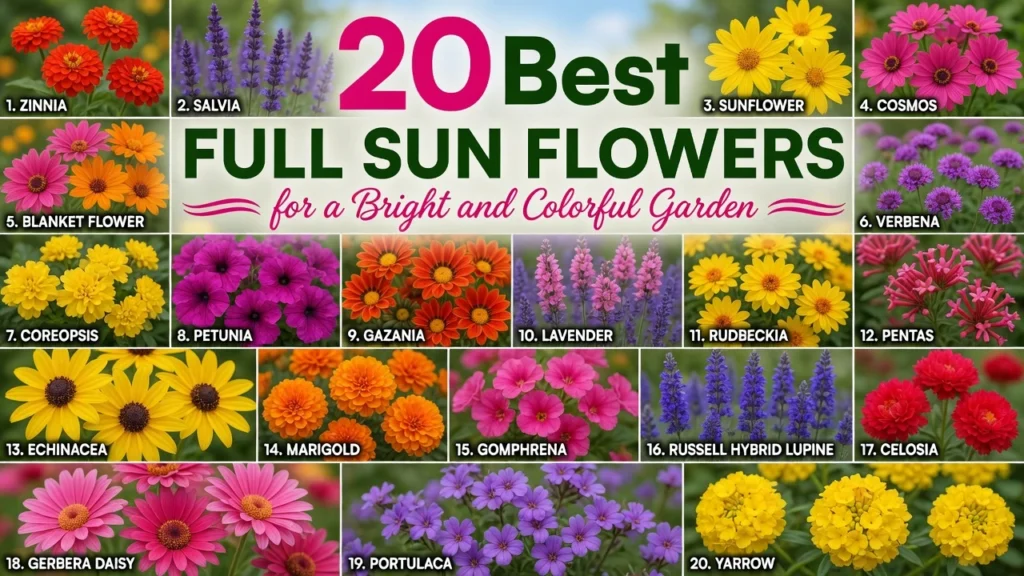
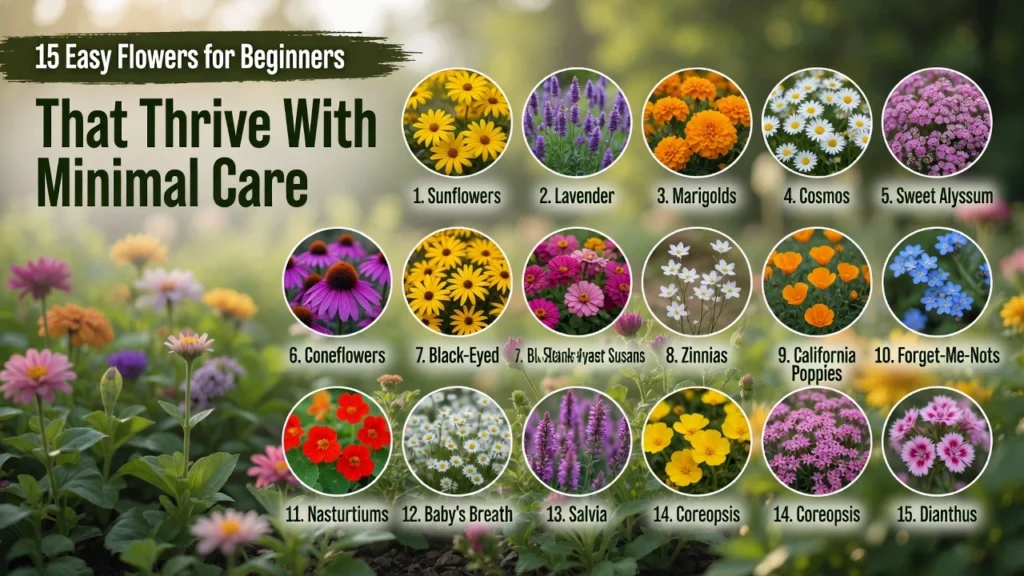
For visual appeal without food production, consider trailing varieties like petunias, calibrachoa, and sweet potato vine. These plants cascade beautifully from elevated containers or hanging baskets. Marigolds, zinnias, and cosmos provide pops of color while attracting pollinators essential for vegetable production.
Perennial flowers like lavender, Russian sage, and coneflowers require less maintenance and provide multi-season interest. Many balcony gardeners combine vegetables and ornamentals for practical functionality and aesthetic beauty.
Sunlight, Water, and Air Circulation: Environmental Optimization
Understanding Your Balcony’s Microclimate
Before selecting plants, assess your balcony’s unique environmental conditions. Track sunlight patterns throughout the day and seasons. South-facing balconies receive intense afternoon sun ideal for heat-loving plants like tomatoes and peppers. North-facing balconies suit shade-tolerant plants like lettuce, herbs, and hostas.
East-facing balconies provide gentle morning sun, perfect for plants preferring afternoon shade. West-facing balconies receive intense afternoon heat, requiring careful plant selection and potentially afternoon shade cloth in summer.
Watering Strategies for Containers
Container plants dry quickly, especially in heat or wind. Daily watering may be necessary during summer. Check soil moisture by inserting your finger one inch deep—if it feels dry, water thoroughly until drainage appears. Consistent moisture matters more than frequency; irregular watering causes blossom end rot in tomatoes and causes leafy greens to bolt prematurely.
Water early morning before temperatures peak, reducing evaporation and allowing foliage to dry quickly, minimizing fungal disease risk. Drip irrigation systems and soaker hoses deliver water directly to soil, improving efficiency and plant health.
Air Circulation and Wind Management
Balconies often experience stronger winds than ground gardens. While air circulation prevents fungal diseases and strengthens plant stems, excessive wind damages leaves, increases transpiration, and stresses plants. Strategically place wind breaks or use trellises as windbreaks while still allowing air flow.
Maximizing Space: Vertical Gardening Techniques
Trellises and Climbing Plants
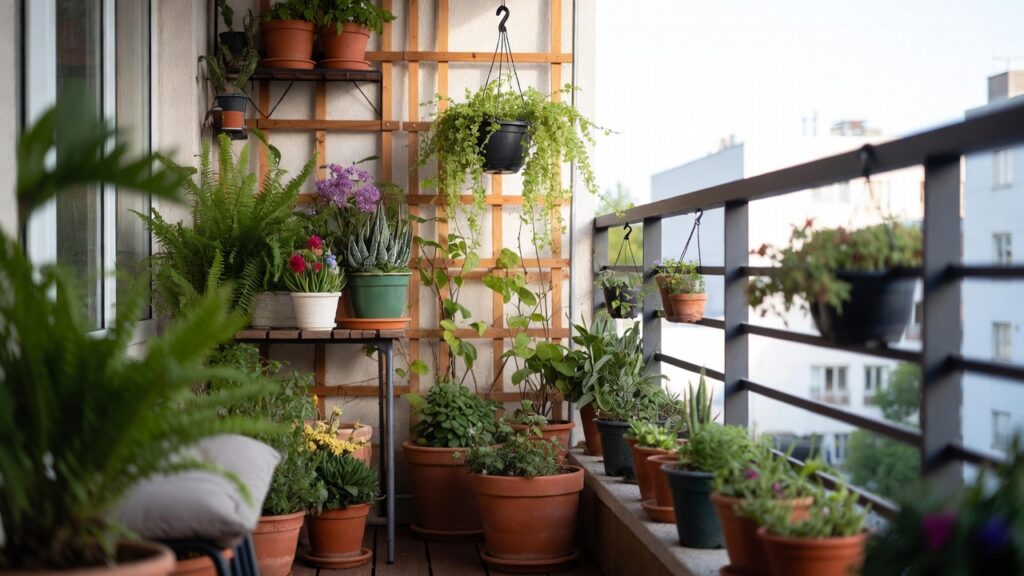
Vertical gardening multiplies productivity in small spaces. Install trellises or stakes to support indeterminate tomatoes, beans, peas, and cucumbers. Climbing varieties naturally utilize vertical space without consuming precious floor area.
Wall-mounted systems with pockets or containers create living walls that produce abundant vegetables and flowers. These systems work particularly well for strawberries, trailing herbs, and shallow-rooted plants.
Hanging Baskets and Elevated Containers
Hanging baskets and elevated containers maximize space utilization. Trailing plants spill beautifully from height, creating dimensional interest. Hanging vegetables like cherry tomatoes and strawberries benefit from improved air circulation and reduced pest pressure.
Layered Container Arrangements
Stacking containers vertically (using sturdy supports) or arranging containers at varying heights creates visual interest while using balcony space efficiently. Tall containers in back, medium in center, and low in front creates an attractive display while preventing shading issues.
Pest Management Without Chemicals
Prevention: The First Line of Defense
Healthy plants in proper growing conditions resist pests naturally. Balanced soil nutrition, appropriate watering, and adequate air circulation create inhospitable environments for most pests. Regularly inspect plants, removing affected leaves immediately to prevent pest population establishment.
Organic Pest Control Methods
Insecticidal Soap: Effective against soft-bodied insects like aphids, spider mites, and whiteflies without harming beneficial insects. Apply in early morning or late evening when pollinators are inactive.
Neem Oil: Derived from neem tree seeds, this organic pesticide disrupts insect life cycles. Use sparingly and follow label directions, as excessive application can harm beneficial insects.
Companion Planting: Marigolds repel certain insects, while herbs like basil and cilantro attract beneficial predatory insects. Strategically interplanting creates natural pest management systems.
Hand Removal: For small infestations, manually removing pests prevents escalation. Simply squish aphids, pick off caterpillars, or spray spider mites with water.
Seasonal Considerations and Year-Round Gardening
Spring: Beginning Your Season
Spring is ideal for establishing summer crops. Start seeds indoors 6-8 weeks before the last frost date, then transplant to balcony containers after danger passes. Cool-season crops like lettuce and peas can be direct-sown in early spring.
Summer: Peak Production
Summer provides optimal growing conditions for most plants. Maintain consistent watering, fertilize regularly, and deadhead spent flowers to encourage continued blooming. Begin harvesting frequently—harvesting actually stimulates continued production.
Fall: Transition and Extended Harvest
Plant cool-season crops in late summer for fall harvest. Many vegetable plants produce more prolifically in fall’s cooler temperatures. Herbs continue thriving into fall, often with improved flavor as temperatures cool.
Winter: Planning and Limited Production
In mild climates, cold-hardy herbs and greens produce slowly through winter. Use winter months for planning next season, updating garden journals, and maintaining equipment. In harsh climates, move tender perennials to protected locations or enjoy indoor gardening with microgreens and sprouts.
Balcony Garden Maintenance and Troubleshooting
Common Problems and Solutions
Yellow Leaves: Often indicates overwatering, nutrient deficiency, or poor drainage. Check soil moisture and adjust watering. Apply balanced fertilizer if yellowing appears despite proper moisture.
Blossom End Rot: Brown, sunken spots on vegetable bottoms indicate calcium deficiency caused by inconsistent watering. Maintain even moisture and mulch containers to regulate soil moisture.
Leggy Growth: Tall, weak plants with widely-spaced leaves indicate insufficient light. Increase light exposure or supplement with grow lights for plants requiring more illumination than your balcony provides.
Fungal Diseases: Poor air circulation and wet foliage promote fungal issues. Improve air flow, water at soil level rather than overhead, and water in morning to allow foliage drying.
Regular Maintenance Schedule
Establish a maintenance routine: daily watering checks, twice-weekly harvesting and deadheading, weekly pest inspection, and monthly fertilizing. This consistent care prevents problems and maximizes productivity.
Sustainable and Eco-Friendly Balcony Gardening Practices
Composting in Small Spaces
Balcony gardeners can compost using small countertop containers or worm bins. Bokashi composting ferments food scraps (including meat and dairy) in sealed containers, producing compost-ready material and nutrient-rich liquid fertilizer. This solution works perfectly for apartment dwellers with limited space.
Water Conservation Techniques
Collect rainwater in food-grade containers to reduce municipal water use. Install rain chains or funnels directing water from balcony edges into collection systems. Mulching containers with compost reduces evaporation, decreasing watering frequency.
Natural Fertilizers and Amendments
Avoid synthetic chemicals by using kitchen scraps creatively. Coffee grounds improve soil structure and provide nitrogen. Eggshells supply calcium. Banana peels offer potassium. These additions reduce waste while nourishing plants—a true circular system.
Key Takeaways: Essential Points for Balcony Gardening Success
- Select containers with adequate drainage and appropriate size for target plants—8-10 inches minimum for herbs, 18-24 inches for fruiting vegetables
- Use high-quality potting mix rather than garden soil, ensuring proper drainage and nutrient availability
- Assess your balcony’s unique microclimate regarding sunlight exposure and wind patterns before selecting plants
- Maintain consistent watering practices, checking soil moisture daily and adjusting frequency based on weather and season
- Implement small space gardening techniques like vertical growing, trellises, and hanging containers to maximize productivity
- Practice organic pest management through prevention, companion planting, and natural interventions
- Establish regular maintenance routines including watering, harvesting, fertilizing, and pest inspection
- Choose beginner-friendly plants like herbs, lettuce, cherry tomatoes, and peppers for initial success
- Plan seasonal rotations to extend your growing season and maintain year-round productivity
Embrace sustainable practices like rainwater collection, composting, and natural fertilizers
Frequently Asked Questions About Balcony Gardening
1. Can I grow food on a balcony with limited sunlight?
Yes, but your plant selection must align with available light. Leafy greens, herbs like mint and parsley, and some fruiting plants like shade-tolerant varieties of tomatoes can thrive with 3-4 hours of direct sunlight. Supplement natural light with LED grow lights if necessary, positioning them 6-12 inches above plants for 12-14 hours daily. Focus on shade-tolerant varieties—kale, spinach, arugula, and chard produce prolifically with limited light.
2. What’s the best time to start a balcony garden?
Spring is ideal for establishing warm-season crops after the last frost date. However, beginners benefit from starting in late spring or early summer when conditions stabilize and learning resources peak. You can garden year-round in mild climates, planting cool-season crops in fall. Starting small with 2-3 plants allows you to learn without overwhelming yourself, then expanding in subsequent seasons.
3. How much weight can a typical balcony support?
Most residential balconies support 40 pounds per square foot of distributed weight, but check your building specifications or consult management. A large container garden with wet soil is surprisingly heavy—a 15-gallon container filled with wet soil weighs approximately 100 pounds. Distribute weight across the balcony rather than concentrating it in one area. Use lightweight containers (fabric pots, plastic) instead of heavy terracotta when possible, and consider weight capacity when planning container placement.
4. Can I successfully grow herbs year-round on my balcony?
In mild climates (Zones 8+), hardy herbs like thyme, oregano, chives, and rosemary survive outdoors year-round with minimal care. In colder climates, move tender herbs like basil and cilantro indoors or bring containerized plants under cover. Many gardeners maintain both outdoor balcony herbs and indoor windowsill herbs, extending their harvesting season. Grow lights extend the indoor growing season, allowing fresh herb production throughout winter.
5. What should I do with my balcony garden in winter?
In cold climates, drain containers and store them protected from freeze-thaw cycles that cause cracking. Move tender perennials to sheltered indoor locations or protected storage areas. In mild climates, cold-hardy greens and herbs continue producing, though slowly. Clean and maintain equipment, update garden records, plan next season’s layout, and start seeds indoors for spring transplanting. Use winter months for garden improvement projects like adding trellises or installing irrigation systems.
6. How do I prevent my balcony plants from blowing over in wind?
Secure containers using heavy-duty plant stands, tie-down systems, or by placing them in corners where walls provide wind protection. Group containers to create mutual support. Use stakes or cages for tall plants like tomatoes. Choose dwarf varieties that resist wind damage better than tall varieties. Strategic placement of wind-tolerant screening plants reduces impact on more delicate plants. Install sturdy railings or plant barriers to further reduce wind stress.
Conclusion: Your Journey to Balcony Gardening Success
Balcony gardening transforms urban living, connecting apartment dwellers to nature, food production, and the seasonal cycles that modern life often obscures. Whether you’re motivated by fresh vegetables, stress relief, environmental consciousness, or simply the joy of watching plants grow, this accessible gardening method delivers profound benefits.
The beauty of balcony gardening lies in its flexibility and forgiving nature. You don’t need perfect conditions—just appropriate plants matched to available sunlight, quality containers with proper drainage, suitable soil, consistent care, and patience. Begin with low-stakes, beginner-friendly plants like herbs and lettuce. These successes build confidence and knowledge for expanding to more challenging vegetables.
Remember that every experienced gardener started exactly where you are now, learning through experimentation, occasional failures, and persistence. Your first balcony garden might be modest—perhaps three containers producing herbs and cherry tomatoes. But from these humble beginnings, many gardeners develop sophisticated systems yielding hundreds of pounds of produce annually from tiny urban spaces.
Start now. Choose one or two containers. Select beginner-friendly plants. Observe your balcony’s light patterns and establish a simple watering routine. Within weeks, you’ll harvest your first fresh vegetables or herbs, experiencing the profound satisfaction of creating food and beauty from barren concrete and railings.
The world needs more gardeners, more green spaces, and more people reconnected with nature. Your balcony garden, however small, contributes to these essential goals while enriching your own life immeasurably. Welcome to the growing community of urban gardeners proving that apartment living and gardening success aren’t mutually exclusive—they’re perfectly complementary.