Table of Contents
Ultimate Guide to Summer Gardening: Expert Tips for a Thriving Season
Summer is the golden season for gardeners—a time when plants flourish under abundant sunshine, warm temperatures encourage rapid growth, and outdoor spaces transform into verdant oases of color and life. However, managing a garden during the hottest months of the year presents unique challenges that require knowledge, strategy, and dedication. Whether you’re a seasoned horticulturist or a curious beginner exploring your first garden bed, understanding the fundamentals of summer gardening can mean the difference between a struggling patch of wilted plants and a thriving botanical paradise.
The art and science of summer gardening encompasses far more than simply planting seeds and hoping for the best. It requires a nuanced understanding of seasonal variations, plant biology, environmental stressors, and practical cultivation techniques. This comprehensive guide will walk you through everything you need to know to maximize your garden’s potential during the summer months, from selecting heat-tolerant varieties to implementing irrigation strategies that keep your plants hydrated without wasting precious resources.
Understanding Summer Gardening Fundamentals
Summer gardening operates under a distinctly different set of parameters than spring planting or fall harvesting. The intense heat, increased evaporation rates, longer daylight hours, and potential for drought stress create an environment where successful gardening demands intentional planning and adaptive management practices.
The Summer Garden Environment
The summer season brings environmental conditions that fundamentally reshape how plants grow and respond to cultivation. Temperatures often exceed the optimal range for many plant species, photosynthesis becomes less efficient under extreme heat stress, and soil moisture depletes rapidly due to intense solar radiation and high evaporation rates.
Understanding your local climate zone is essential for summer gardening success. USDA Hardiness Zones provide valuable guidance, but summer-specific considerations matter equally. Factors like humidity levels, typical rainfall patterns, average high temperatures, and historical drought frequency all influence which plants will thrive in your garden during summer months. Research your region’s summer microclimate—areas near walls, pavement, or reflective surfaces experience different temperature conditions than open garden beds.
Seasonal Light Dynamics
Summer offers the longest daylight hours of the year, providing extended periods for photosynthesis and plant energy production. However, this intense light can sometimes overwhelm heat-sensitive plants. Afternoon shade becomes a valuable resource in many regions, especially for delicate perennials, shade-loving plants, and vegetable gardens featuring lettuce, spinach, or other cool-season crops that might otherwise bolt.
Selecting the Right Plants for Summer Success
Your plant selection forms the foundation of summer gardening success. Choosing species that naturally thrive in heat, drought, and intense sunlight dramatically improves your odds of maintaining a vibrant garden throughout the season.
Heat-Tolerant Flower Varieties
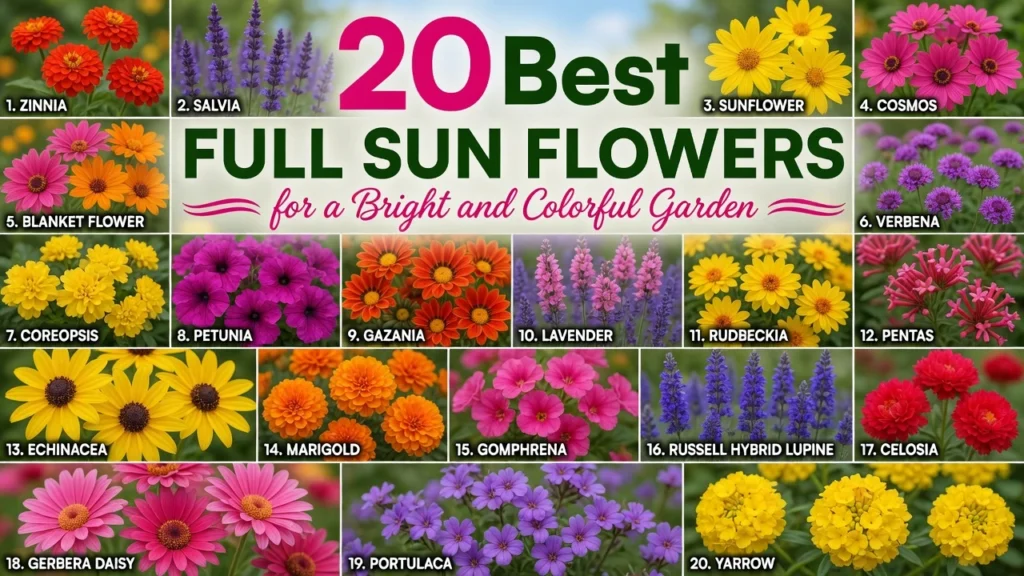
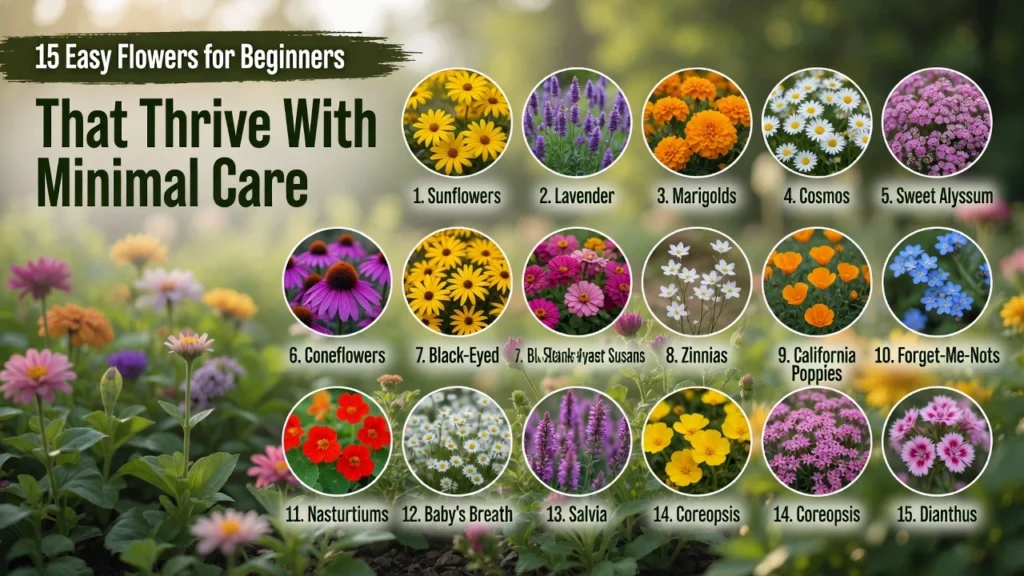
Certain flowering plants have evolved remarkable adaptations to withstand summer’s intensity. Zinnias represent an excellent choice for summer color, producing prolific blooms in virtually any heat condition. These annual flowers actually perform better in hot weather than cooler temperatures, making them ideal for intense summer regions.
Coneflowers (Echinacea) stand among the most resilient perennial options, offering stunning pink, purple, or white flowers while requiring minimal supplemental watering once established. Blanket flower (Gaillardia) displays vibrant red and yellow blooms and demonstrates exceptional drought tolerance. Black-eyed Susan (Rudbeckia) brings cheerful golden flowers and thrives in full sun conditions that would stress many plants.
Marigolds offer another summer gardening staple—bright, cheerful flowers that tolerate poor soil, irregular watering, and scorching temperatures with remarkable resilience. For climbing summer interest, consider heat-loving clematis varieties or morning glories, which create spectacular vertical displays while adapting to summer’s demands.
Vegetable Gardening in Summer Heat
Summer vegetables represent one of gardening’s greatest rewards, yet many popular varieties require strategic management during peak heat. Tomatoes, peppers, and eggplants actually flourish in summer conditions, producing abundantly through late August in most regions. These heat-loving plants represent excellent choices for maximizing summer vegetable production.
However, traditional cool-season crops like lettuce, broccoli, and cabbage often struggle during peak summer. Strategic planting of shade-tolerant varieties or providing afternoon shade cloth allows extending the harvest season for these vegetables. Many gardeners practice succession planting, starting new cool-season crops in midsummer for fall harvest once temperatures begin declining.
Herb Garden Opportunities
Summer represents peak season for culinary and medicinal herbs. Mediterranean herbs like rosemary, thyme, oregano, and lavender thrive in hot, dry conditions and require minimal water once established. Basil grows with enthusiastic vigor during summer months, producing abundant foliage for pesto, salads, and culinary applications. Regular harvesting of basil actually encourages bushier growth and prevents flowering.
Mastering watering plants During Summer
Proper irrigation represents perhaps the most critical factor in successful summer gardening. Water management directly impacts plant health, productivity, stress responses, and overall garden vitality during the season’s hottest months.
Establishing Effective Irrigation Systems
Summer drought conditions necessitate reliable irrigation strategies that ensure consistent soil moisture without promoting disease or wasting water. Drip irrigation systems deliver water directly to plant roots, minimizing evaporation and ensuring efficient moisture penetration. These systems prove particularly valuable during summer when surface watering evaporates rapidly and fails to reach deep root zones where plants actually access water reserves.
Soaker hoses offer a simpler alternative to complex drip systems, allowing water to slowly percolate through the soil while reducing foliar wetness that promotes fungal diseases. Position soaker hoses at soil level near plant bases, ideally covered with mulch to further reduce evaporation and moderate soil temperature fluctuations.
Sprinkler systems provide convenient broad coverage for lawns and large garden areas, though they prove less water-efficient than drip methods due to evaporation losses. If using sprinklers, water during early morning hours when temperatures remain cool and evaporation rates stay minimal. This timing also allows foliage to dry quickly, reducing disease pressure.
Timing and Frequency Considerations
Early morning watering represents best practice for summer gardens. Applying water between 6 AM and 9 AM allows plants to absorb moisture throughout the day while evening winds dry foliage and reduce fungal disease risk. Avoid evening watering in humid regions where prolonged leaf wetness encourages mildew and other fungal pathogens.
Watering frequency depends on multiple factors including soil type, mulch coverage, plant species, local temperature, and recent rainfall. Sandy soils require more frequent watering than clay soils, which retain moisture longer. Most garden plants benefit from one to two inches of water weekly, though this requirement increases during extreme heat waves or drought conditions. Monitor soil moisture by inserting your finger two inches into the soil—if it feels dry at that depth, watering is needed.
Smart Water Conservation Strategies
Summer gardening often coincides with water restrictions in drought-prone regions. Implementing conservation strategies protects your garden while respecting community water needs. Mulching represents the single most effective water conservation technique—a two-to-three-inch layer of organic mulch significantly reduces evaporation, moderates soil temperature, and suppresses weeds that compete for available moisture.
Rain barrels capture seasonal precipitation for use during dry periods, providing free, chlorine-free water that many plants prefer. Even modest rain barrel systems capturing just 50-100 gallons can substantially reduce municipal water dependence during summer months.
Choosing drought-tolerant plants eliminates unnecessary irrigation demands. Native plants adapted to your region’s climate and precipitation patterns typically require minimal supplemental watering once established. Xeriscaping principles—designing landscapes that minimize water requirements—provide sustainable approaches to beautiful summer gardens in water-conscious regions.
Soil Management and Preparation
Healthy summer gardens begin with well-prepared, nutrient-rich soil. Summer heat accelerates biological processes in the soil, including nutrient mineralization and organic matter decomposition, making soil quality particularly important during the growing season.
Mulching for Multiple Benefits
Applying organic mulch around plants delivers cascading benefits throughout summer. Mulch insulates soil, moderating temperature fluctuations that stress plant roots during extreme heat. It conserves soil moisture by reducing evaporation rates by up to 70 percent. Quality mulch suppresses weeds that would otherwise compete for limited water resources. As organic mulch gradually decomposes, it improves soil structure, increases nutrient availability, and enhances beneficial microbial populations.
Apply two to three inches of shredded hardwood mulch, compost, or straw around garden plants, keeping mulch a few inches away from plant stems to prevent rot and pest habitat. Avoid dyed wood chips or synthetic mulch materials that don’t provide soil improvement benefits.
Nutrient Management During Peak Growing Season
Summer’s intense growth demands abundant nutrients. Fast-growing summer vegetables and flowers draw heavily on nitrogen, phosphorus, and potassium reserves. Supplemental feeding throughout the season maintains plant vigor and productivity. Slow-release organic fertilizers provide steady nutrient availability without forcing excessive tender growth vulnerable to heat stress.
Established perennials typically require less supplemental fertilization than annual vegetables and flowers. However, heavy feeders like tomatoes and zucchini benefit from mid-season feeding to sustain productivity through summer’s end. Water-soluble fertilizers offer quick nutrient availability when plants show signs of nutrient deficiency.
Common Summer Garden Challenges and Solutions
Even experienced gardeners encounter seasonal challenges during summer months. Understanding common problems and their remedies helps you respond quickly when issues arise.
Heat Stress and Plant Wilting
Temporary wilting during hot afternoons may indicate normal heat stress rather than water deficiency. If plants recover by evening once temperatures drop, they’re experiencing typical daily transpiration stress rather than actual drought stress. However, plants that remain wilted into evening require immediate watering.
Extreme heat sometimes causes flower drop in certain plants, particularly when combined with drought stress. Once temperatures moderate, plants typically resume blooming and fruiting. Providing afternoon shade during extreme heat waves (temperatures exceeding 95 degrees Fahrenheit) can prevent stress-related productivity loss.
Pest and Disease Pressure
Hot, humid summer conditions favor rapid pest population growth and fungal disease development. Japanese beetles, spider mites, and various caterpillars reach peak activity during summer months. Regular monitoring of plant foliage allows early pest detection before populations become overwhelming.
Fungal diseases including powdery mildew, leaf spots, and blights thrive in warm, humid conditions. Adequate air circulation achieved through proper plant spacing, pruning lower foliage, and overhead watering avoidance reduces disease pressure. Remove heavily infected foliage promptly to prevent spore spread.
Blossom End Rot in Tomatoes
This physiological disorder manifests as dark, sunken lesions on tomato bottoms, resulting from calcium deficiency caused by inconsistent watering. Maintaining steady soil moisture prevents calcium uptake interruptions that trigger this condition. Thick mulch layers help stabilize soil moisture and reduce blossom end rot incidence.
Summer gardening Design and Aesthetic Considerations
Creating a beautiful summer garden involves thoughtful design principles that maximize visual interest while accommodating plant cultural requirements.
Color Theory and Seasonal Planting
Summer gardens offer opportunities for bold color combinations. Warm colors like red, orange, and yellow evoke excitement and energy, creating dynamic focal points. Cool colors including blue, purple, and white provide visual rest and appear to recede into backgrounds, making spaces feel larger.
Complementary color combinations—colors opposite each other on the color wheel—create maximum visual impact. A purple verbena paired with golden marigolds produces striking contrast. Analogous combinations using adjacent colors create harmonious, sophisticated effects that feel cohesive and intentional.
Height and Texture Layering
Strategic height variation prevents flat, uninspiring garden designs. Tall plants like dahlias or zinnias provide background structure, mid-height plantings offer substance, and low-growing flowers create transition zones. Varying foliage texture—combining ferny, fine-textured plants with bold-leaved species—adds visual depth and interest.
Extended Harvesting and Garden Maintenance
Summer gardening extends beyond aesthetic appreciation to include productive harvesting that provides food, cut flowers, and satisfaction.
Vegetable Harvesting Techniques
Harvesting vegetables at peak ripeness maximizes flavor and nutritional content. Tomatoes develop best flavor when harvested fully ripe with deep color throughout. Most summer squash tastes best when harvested at smaller sizes before the skin hardens. Regular harvesting of beans, peas, and other vegetables encourages continued production—plants sensing mature fruit set often reduce flowering and fruiting as a survival mechanism.
Deadheading for Continuous Blooms
Removing spent flowers redirects plant energy from seed production to continued flowering. Many annuals and perennials respond to deadheading by producing additional flower buds throughout summer. This simple maintenance task extends bloom duration significantly, particularly for prolific species like zinnias and marigolds.
Key Takeaways
- Select heat-tolerant plant varieties specifically adapted to summer conditions in your region
- Implement reliable irrigation systems, prioritizing drip irrigation or soaker hoses for efficiency
- Water early morning to minimize evaporation and reduce disease risk
- Apply two to three inches of organic mulch to conserve moisture and moderate soil temperature
- Monitor soil moisture regularly by inserting your finger two inches into the soil
- Provide afternoon shade for heat-sensitive plants during extreme heat events
- Practice deadheading and regular pruning to maintain plant health and continuous blooming
- Address pest and disease issues promptly through monitoring and organic methods when possible
- Maintain consistent fertilization for heavy-feeding vegetables and annual flowers
- Harvest vegetables and flowers regularly to encourage continued productivity
Frequently Asked Questions About Summer Gardening
How much water do most garden plants need during summer?
Most garden plants benefit from one to two inches of water weekly during summer months, though this varies based on soil type, plant species, mulch coverage, and local climate conditions. Sandy soils require more frequent watering than clay soils. The best approach involves checking soil moisture by inserting your finger two inches into the soil—if it feels dry at that depth, watering is needed. During extreme heat waves or drought conditions, water requirements may increase. A consistent, deep watering approach promotes stronger root development than frequent shallow watering.
Can I plant new seeds during summer?
Most traditional summer gardens involve planting transplants rather than seeds, as high soil temperatures can prevent seed germination or cause seeds to dry out quickly. However, certain cool-season vegetables and flowers can be started in midsummer for fall harvest, taking advantage of declining temperatures in late summer and early fall. Heat-loving crops like beans, squash, and cucumbers may be direct-seeded in early summer in many regions. Starting fall crops indoors during summer heat, then transplanting seedlings when temperatures moderate, provides another effective strategy.
What’s the best time to prune summer plants?
Most pruning should occur early in the growing season to shape plants and remove dead wood, before plants enter active blooming periods. However, deadheading—removing spent flowers—can continue throughout summer to encourage ongoing blooming. Avoid heavy pruning during extreme heat as it creates new growth vulnerable to heat stress. Early morning pruning minimizes plant stress. Wait until fall or early spring to perform major structural pruning.
How do I prevent my garden from looking tired mid-summer?
Several strategies maintain garden vitality through midsummer slumps. Regular deadheading, consistent watering, and appropriate shade provision help plants persist through peak heat. Succession planting cool-season crops in midsummer refreshes garden beds with new color and interest. Selecting a diverse mix of plant varieties ensures something remains attractive even as individual plants’ bloom periods wane. Strategic use of tropical annuals and tropicals tolerant of heat provides continuous interest. Container gardens featuring fresh plantings can be positioned to fill visual gaps as traditional beds experience lulls.
Are there water-wise alternatives to traditional summer gardening?
Absolutely. Xeriscaping principles emphasize plant selection, soil amendment, and design strategies that minimize water requirements. Choosing native plants adapted to your region’s climate and precipitation patterns dramatically reduces irrigation needs. Applying thick mulch layers, implementing drip irrigation, installing rain barrels for water capture, and grouping plants by water needs (hydrozoning) all reduce water consumption. Container gardening with well-draining soil and drought-tolerant plants provides beautiful summer interest while using less water than in-ground plantings.
Should I fertilize my garden during summer?
Yes, during peak growing season, supplemental fertilization maintains plant vigor and productivity. Fast-growing summer vegetables and prolific-blooming annuals benefit from consistent nutrient availability. Heavy feeders like tomatoes, squash, and zucchini produce better with mid-season supplemental feeding. Use slow-release organic fertilizers for steady nutrient availability without forcing excessive tender growth vulnerable to heat stress. Established perennials typically require less supplemental fertilization than annual vegetables and flowers. Water-soluble fertilizers offer quick nutrient availability when plants show deficiency signs.
Conclusion
Summer gardening represents both opportunity and challenge—a season of abundance, growth, and natural beauty tempered by heat, drought potential, and increased pest and disease pressure. Successful summer gardening combines thoughtful plant selection, reliable irrigation strategies, consistent maintenance practices, and adaptive management responding to seasonal variations.
By implementing the principles outlined in this guide—selecting heat-tolerant varieties, establishing effective watering systems, applying protective mulch, maintaining consistent nutrient availability, and addressing challenges promptly—you can transform your summer garden into a thriving oasis that provides visual beauty, productive harvests, and the profound satisfaction that comes from nurturing living plants through the season’s demands.
Whether you cultivate a small balcony container garden, a suburban vegetable plot, or an extensive ornamental landscape, the fundamentals of summer success remain consistent: understand your plants’ needs, provide reliable irrigation, maintain healthy soil, monitor for problems, and adapt your practices based on seasonal observations and changing conditions. Armed with this knowledge and these practical strategies, you’ll find summer gardening becomes not a desperate struggle against the season but rather an exciting opportunity to connect with natural cycles and cultivate beauty and abundance in your outdoor spaces.